News
Athens Metro Expands to Piraeus as Tourism Strains Bus Network
Greece's capital races to modernize transit infrastructure while managing rapid tourism growth. How does Athens compare to other European cities?
3 min read
Updated 1 d ago
News
Greece's capital races to modernize transit infrastructure while managing rapid tourism growth. How does Athens compare to other European cities?
3 min read
Updated 1 d ago
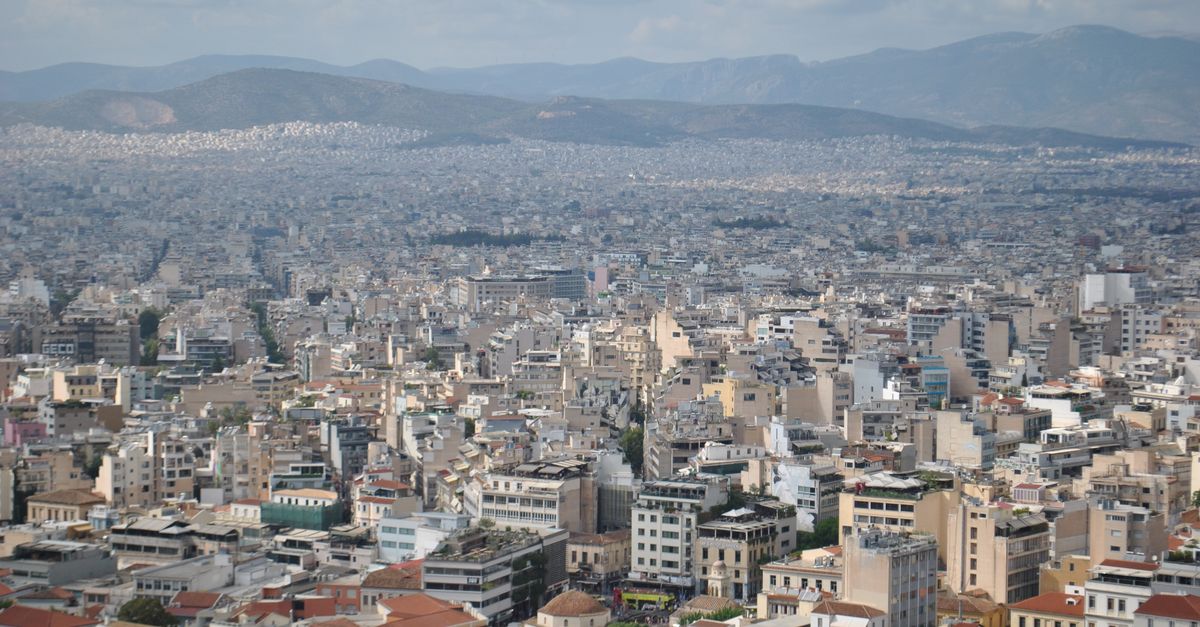
Athens is at a critical juncture. The metro's Line 4 extension to Piraeus, scheduled for completion in 2027, represents the city's most ambitious transport investment in a decade. Yet as construction crews work along Vasilis Sofias Avenue and around Syntagma, transport planners are acutely aware they're playing catch-up with peers who solved similar problems years ago.
The numbers tell a sobering story. Athens's public transport network moves approximately 3.6 million passengers weekly across metro, tram, and bus services. By contrast, Barcelona—a city of similar size and tourist volume—processes over 5 million weekly journeys through its more densely integrated system. Istanbul's metro alone handles 3 million daily riders, compared to Athens's 850,000. The gap widens when considering integration: Istanbul seamlessly links metro, tram, ferry, and bus with a single contactless card system. Athens passengers still juggle multiple ticketing systems, though unification efforts are underway.
The housing crisis amplifies transport pressure. As Airbnb rentals consume residential stock across Plaka and Kolonaki, working Athenians increasingly live in outer zones like Acharnes and Koropi, creating punishing commutes. The metro's planned extension represents partial relief, but transport economist studies from Madrid and Lisbon suggest infrastructure alone won't solve affordability-driven sprawl without coordinated housing policy.
Cost presents another hurdle. The Piraeus Line extension carries a €1.4 billion price tag—substantial for Greece's budget-conscious government. Singapore tackled comparable expansion through public-private partnerships that Athens has struggled to replicate, partly due to EU regulations and public skepticism following earlier privatisation debates. Meanwhile, Paris embedded its massive RER overhaul within broader urban regeneration, linking transport investment to controlled residential development. Athens lacks similar coordination between transport planners and housing authorities.
The bus network, however, reveals where Athens has gained ground. The Electric Buses Initiative, launched in 2023, now operates 200 electric units across the metropolitan area—outpacing several EU capitals in electrification percentage. This represents genuine innovation, though Copenhagen and Amsterdam remain ahead in absolute numbers and integration strategy.
Tourism infrastructure remains the thorniest challenge. Summer crowds converge on the Acropolis station area, creating bottlenecks that planners in Venice and Barcelona addressed through visitor management systems and strategic routing. Athens is experimenting with dynamic pricing during peak hours, a tactic borrowed from London's congestion model.
The real test arrives next year when the Piraeus Line opens. Success depends not on the metro itself, but on whether Athens finally coordinates transport, housing, and tourism strategies—something few cities manage seamlessly.
This article was compiled by AI and screened before publishing. See our editorial standards.

News

News

News

News
About this article
Published by The Daily Athens
Spread the word
Daily brief
Free, in your inbox before 7am. Weekdays.
The Daily Network — local news across Australia