finance
Athens Retail Sector Faces Rising Rents and Changing Landscape Amid Market Challenges
High rents and shifting tourism-driven demands reshape Athens’s retail hubs, posing challenges for traditional players.
How we reported this
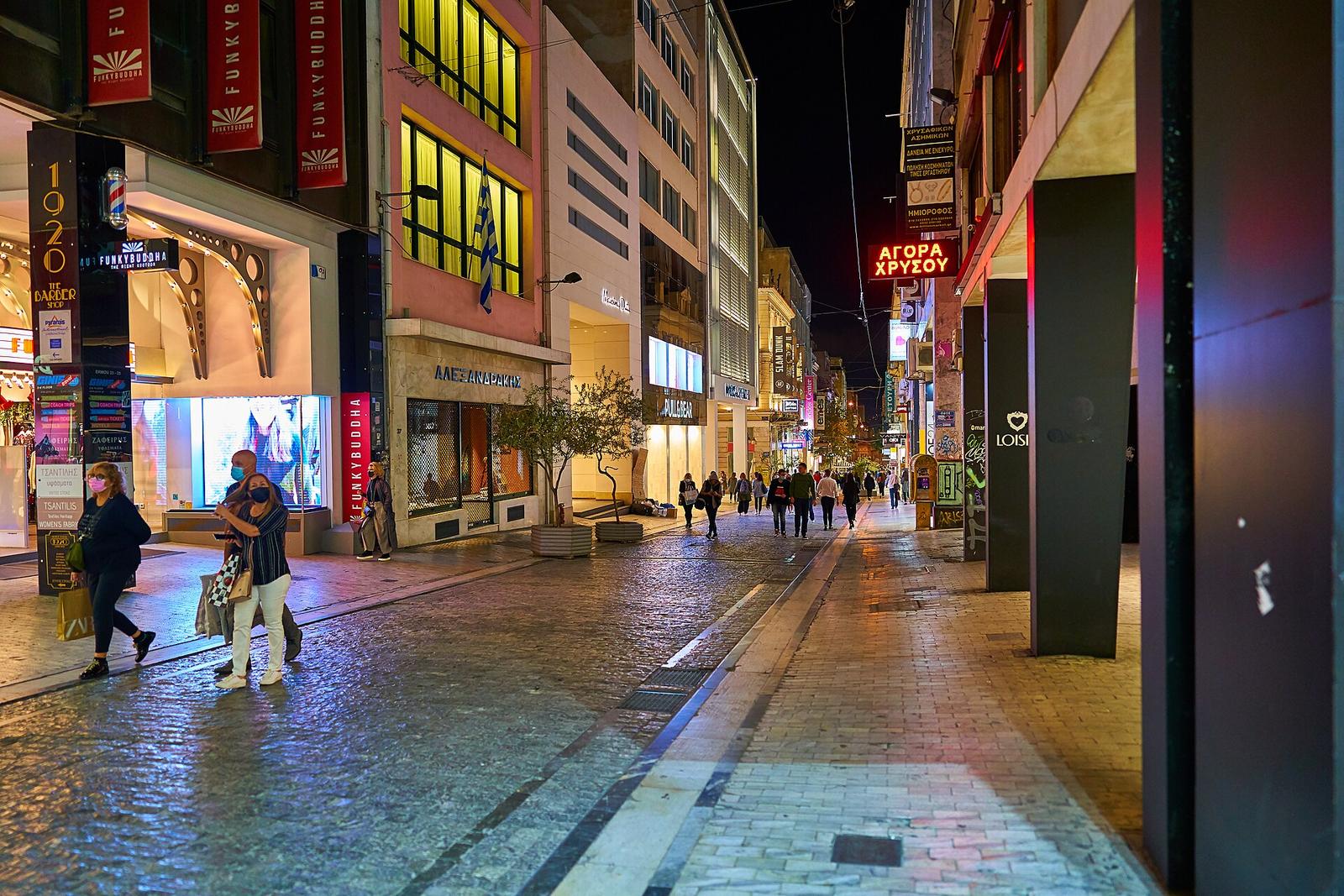
Ermou Street, Athens’s premier retail artery, continues to command Greece’s highest retail rents, reaching €290 per square meter per month in the third quarter of 2024. Vacancy rates in this prime location remain remarkably low, hovering near 2%, underscoring persistent demand from luxury brands despite mounting pressures on the retail sector.[1][5]
Economic Momentum Meets Shifting Retail Patterns
The recent surge in Athens’s retail rents and occupancy is underpinned by robust overall economic performance and a sharp increase in tourism, which have combined to reshape the city’s commercial geography.[1][3] Yet, this growth is tempered by discernible headwinds facing traditional retail zones. The historical commercial triangle, encompassing Omonia, Syntagma, and Monastiraki, is witnessing declining activity in conventional retail categories such as clothing and footwear, which now constitute just 16.2% of storefronts, as these spaces increasingly convert to tourism-related businesses including hotels and visitor services.[6][7]
Developers and brands are responding to these changes by focusing new retail openings in Athens’s central city and affluent suburbs like Glyfada. Notable recent launches include Weekend Max Mara’s inaugural Greek store in Glyfada and Zara’s expansive 5,000 square meter flagship in the Piraeus Tower. Tommy Hilfiger has also opened an outlet in Mykonos, reflecting the luxury sector's growing regional footprint.[2][8]
Development and Demand: The Double-Edged Sword
While new retail space is coming on stream, it remains limited in scale. The largest ongoing large-scale project is the shopping malls under development at the Ellinikon site. Beyond this, approximately 110,000 square meters of additional retail space is anticipated from a variety of smaller shopping center projects, signaling cautious expansion in response to market demand.[1][4]
The luxury retail segment shows resilience, supported by a wave of new store openings in prestigious locations such as City Link, Golden Hall, and the McArthurGlen discount village in Spata.[1][4] Low store closure rates in central Athens, with only 25.58% of stores closing as of September 2024, further attest to sustained retailer confidence in key districts, even as surrounding areas experience shifts towards tourism-focused use.[5][6]
Rental rates in prime Athens locations surged 6.4% in the first half of 2024 alone, outpacing growth in other Greek markets and reflecting the city’s competitive retail environment, particularly on streets like Ermou and Voukourestiou, as well as northern suburbs around Kifisias Avenue.[1][4]
Nevertheless, the pressure of rising rents imposes challenges for smaller, traditional retailers, some of whom struggle to compete in an increasingly tourism-oriented market. The changing composition of tenants toward hospitality and visitor services illustrates the sector's adaptation to shifting consumer flows.
Looking Ahead: Navigating Market Realities
Athens’s retail market is poised at a crossroads. While luxury brands and flagship retailers appear well-positioned to leverage the city’s economic upswing and tourist influx, traditional retail faces mounting headwinds from soaring rents and changing shopper profiles. Investors and developers will likely proceed cautiously, balancing new retail projects against these evolving dynamics.
For retail operators, focusing on tourist demand and establishing a foothold in thriving suburbs like Glyfada may offer pathways to sustainability. Meanwhile, monitoring rent trajectories and vacancy trends on Ermou Street and other high-profile zones will be critical for understanding future market access and profitability.
As Athens’s retail sector continues its transformation under these pressures, stakeholders must adapt strategies that reflect both the opportunities afforded by rising tourism and the challenges presented by an evolving urban retail fabric.
This article is general information only and is not personal financial or investment advice. Consider your own circumstances and seek licensed professional advice before making financial decisions.
References Sourced but Not Limited to:
- synergyengineering.gr · Retail Market Report 2025
- ered.gr · Rising returns in retail sector the battle of malls
- cwproprius.com · 2023 Q4 Greece Marketbeat Retail
- greekcitytimes.com · Ermou street leads greeces retail market with rising rents in 2024
- blog.efestio.com · Street retail in athens city centre and prime suburban areas in the...
- ekathimerini.com · Athens retail hub gives way to tourism
- cwproprius.com · 2024 Q2 Greece Marketbeat Retail
- euromonitor.com · Report