Athens has always been a city of talk. In kafeneia and tavernas, over ouzo and coffee, Greeks have debated philosophy, politics, and art for centuries. What's changed in the past three years is where that conversation happens. The creative class—artists, designers, musicians—have stopped waiting for formal cultural institutions to define them. Instead, they're doing it themselves, night after night, in converted warehouses and neighbourhood wine bars across the city.
This matters now because Athens is competing for creative talent in a way it never has before. The tech sector is growing. International design firms are opening offices in the Gazi district. Young people who left during the financial crisis are considering coming back. But they're not coming back for the museums or the history. They're coming back for places like Aman Aman on Kallisperi Street in Exarcheia, where the owner sources wines exclusively from small Greek producers, or Moralis in Psyrri, where a former graphic designer turned restaurateur plates seafood like it belongs in a gallery. These spaces signal something: Athens is where creative people want to be.
The Neighbourhood Revolution
Five years ago, the restaurant scene was bifurcated. You had tourist-facing tavernas in the Plaka charging tourists 28 euros for souvlaki, and you had expensive fine-dining restaurants in Kolonaki catering to the wealthy. The middle—where most creative people actually live and eat—was empty. Now it's packed. Psyrri, the neighbourhood just north of Monastiraki, has transformed completely. Thirty new restaurants and bars opened there between 2023 and 2025. Exarcheia, historically the student and activist neighbourhood, has become a destination for people seeking serious natural wine and experimental cooking. Gazi, the former industrial zone near the Technopolis cultural centre, is where young chefs are taking risks. One restaurant there, which opened in April 2025, serves only foods foraged within a 30-kilometre radius of Athens, changing the menu based on what's available.
What makes this different from similar food scenes in Barcelona or Berlin is the Greek obsession with community eating. The restaurant bar isn't a place to be seen. It's a place to sit for four hours, talking. This has created a specific aesthetic: small tables pushed together, shared plates, natural wine served at room temperature, no pretension about authenticity. The owners—mostly people in their late 30s and early 40s who studied abroad or worked in other cities—have imported techniques but kept the social DNA of the place intact.
Numbers and the Creative Class
The Athens Chamber of Commerce reported that 187 new food and beverage establishments opened in the city in 2024, up from 94 in 2021. The median price for a dinner with wine in a neighbourhood restaurant is now 22 to 35 euros, making it accessible to young artists and freelancers who can't afford Kolonaki but want to eat something beyond gyros. More telling: the Hellenic Culinary Federation, which tracks membership, saw a 34 percent increase in young female chefs joining between 2023 and 2026. That's a demographic shift. Women are visible as owners and head chefs in ways they weren't even ten years ago.
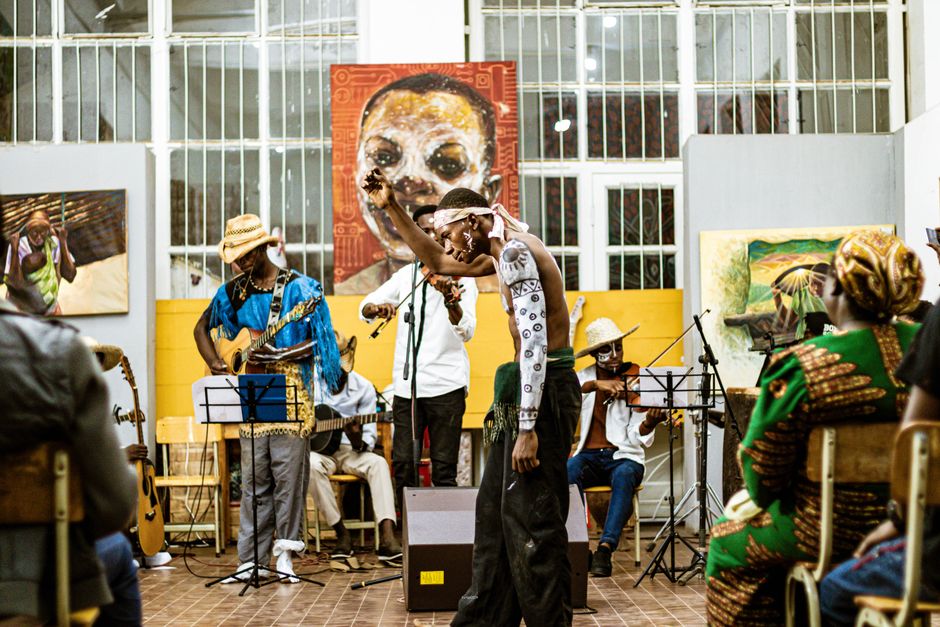
The cultural impact runs deeper than economics. These spaces are where visual artists show their work on the walls—informal, rotating exhibitions that change monthly. Musicians perform without amplification. Writers and photographers use the tables as offices during the day. The restaurant bar has become the actual cultural infrastructure of the city, filling a gap that underfunded public galleries and struggling theatres can't.
If you're arriving in Athens in the next few months, skip the tavernas in Plaka. Head to Psyrri on a Friday night, or walk down Kallisperi Street in Exarcheia on any weeknight. You'll find the city's creative energy concentrated in these neighbourhoods, in places where someone is still talking about art, politics, and philosophy—but now they're doing it over wine that costs 9 euros a glass and food that tastes like someone actually cared.