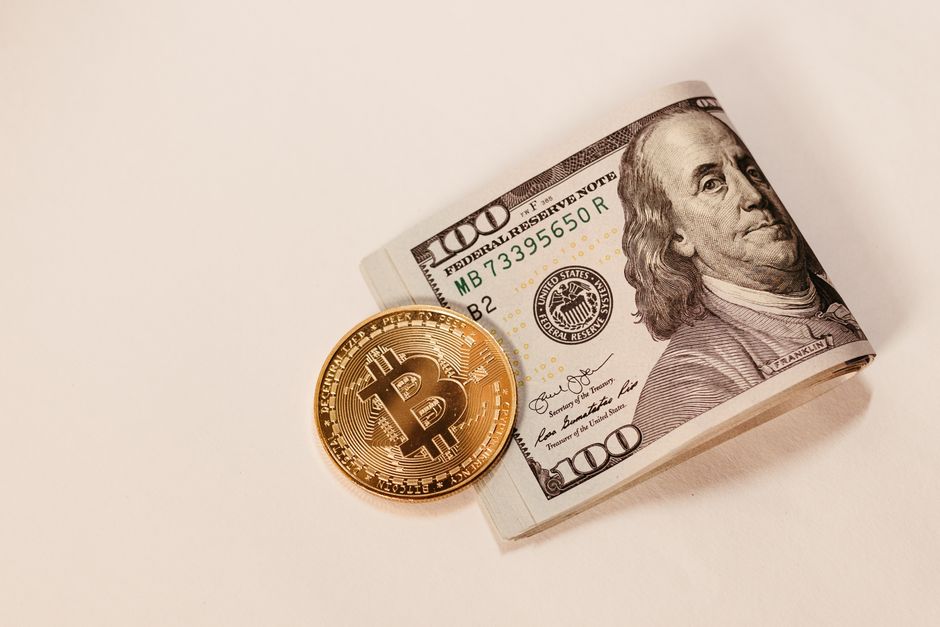
Gold hit $4,187 an ounce on Friday, a single-session gain of more than 4%, and the move is concentrating minds across trading floors from Frankfurt to Singapore. The metal's latest leg higher is not happening in isolation. The euro climbed to $1.1440 against the dollar, its strongest level in months, while Bitcoin surged 6.66% to $62,456 in what traders are reading as a broad rotation out of dollar-denominated safety and into assets that carry a hedge against US fiscal uncertainty. For Athens investors with pension exposure to global equities and holdings in commodity-linked names on the Athens Exchange, the configuration of this week's market is the most consequential since late 2025.
The S&P 500 closed at 7,483, up 1.71%, and the Nasdaq Composite added 1.87% to reach 25,833. On the surface those are bullish prints. Dig a layer deeper and the composition of the rally is what fund managers are dissecting. Technology stocks and risk assets rose, but so did gold and crypto simultaneously. That is an unusual combination. When equities and hard assets rally together on a weak dollar, experienced portfolio managers typically read it as a currency debasement trade rather than a straightforward growth signal. The distinction matters enormously for how much overseas exposure a Greek pension or private investor should be running, and at what currency hedge ratio.
Oil's Drop Complicates the Picture
West Texas Intermediate crude fell 2.78% to $68.78 a barrel, diverging sharply from gold's trajectory. Oil is a growth barometer. When it sells off while equities push higher, the market is sending a mixed signal about whether global demand is actually accelerating or whether the equity rally is being manufactured by dollar weakness flattering the numbers. Fund managers at several large European asset allocators flagged this divergence in notes circulated on Friday. Their concern is that US growth momentum may be softer than the headline index levels imply, with the dollar's slide doing much of the heavy lifting in translating foreign earnings back into apparent profitability for American multinationals.
For Athens, the EUR/USD move to 1.1440 carries direct consequences. Greek exporters and shipping companies with dollar revenues will feel the squeeze as the greenback softens, while importers of dollar-priced goods, including energy and certain raw materials, get a modest cost relief. The Hellenic shipping sector, which prices freight globally in dollars, is facing a double-edged situation: lower oil costs trim operating expenses, but a weaker dollar compresses euro-translated revenues. Investors in names listed on the Athens Exchange with heavy dollar revenue exposure should be running those sums this weekend.
The gold move is also reverberating through conversations about the European Central Bank's next step. The ECB held its deposit rate steady at its June meeting, and market pricing for the September meeting has shifted. A dollar that continues to weaken into the summer, combined with a gold price above $4,000, signals that global investors are not convinced the inflation fight is entirely won. That is a signal the ECB's governing council, which next convenes in late July in Frankfurt, will not be able to ignore. Greek borrowing costs, anchored to ECB policy, will track whatever direction emerges from that meeting.
Bitcoin's move above $62,000 is being interpreted by a growing cohort of institutional managers as a satellite signal for risk appetite and for skepticism about sovereign monetary credibility rather than purely as a speculative punt. Participation from regulated European funds in the crypto space has grown materially since the EU's Markets in Crypto-Assets regulation came into full effect in 2025. Greek retail investors who accessed Bitcoin exposure through MiCA-compliant products earlier this year are sitting on a position that has moved sharply in their favour this week.
What global fund managers are watching most closely in the days ahead is whether the dollar weakness is durable or a holiday-week liquidity distortion, given that US markets are observing the Independence Day public holiday on Friday July 4. Thin trading can exaggerate moves. A fuller picture of positioning will emerge when New York desks return at full staffing on Monday July 7. The first major data test of the week will be the US Institute for Supply Management's services index, which arrives Tuesday and will either validate or undercut the narrative that American domestic demand remains resilient enough to support equity valuations at current levels. Greek investors with meaningful exposure to global equity funds through the country's occupational pension framework should treat this weekend not as a pause, but as an opportunity to review their currency hedge and commodity weightings before the next set of signals arrives.