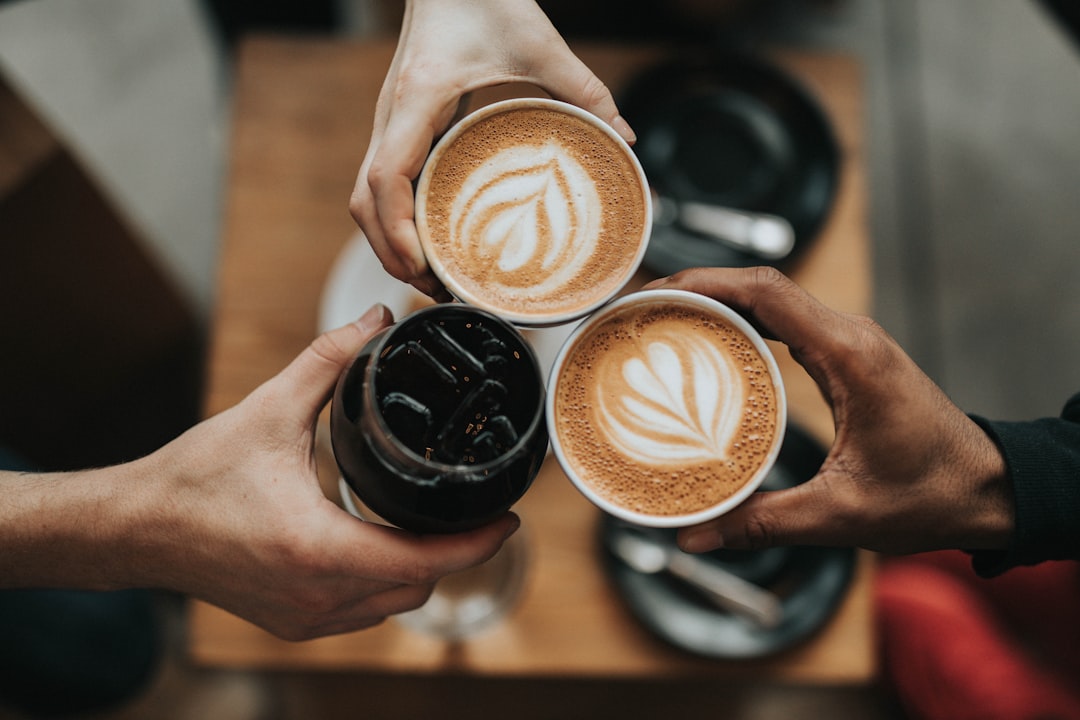
Stavros has been mixing drinks at Baba au Rum on Sarri Street for nine years. He knows his regulars by their drink orders before they sit down—the architect who takes his espresso martini dirty, the musician who'll nurse a Negroni for three hours while writing lyrics on napkins, the couple celebrating their anniversary for the eighth consecutive year at the same corner table. On a Friday night in late June, Stavros was doing what he does most evenings: building community one cocktail at a time in a city where the bar scene has become the genuine epicenter of social life after dark.
Athens' nightlife has transformed quietly over the past three years. While much of Europe grappled with economic uncertainty and the aftereffects of widespread lockdowns, this city's bar culture evolved from a transactional entertainment commodity into something more textured—spaces where the bartender, server, or manager matters as much as the venue itself. The shift reflects a broader recalibration in how Athenians spend their leisure time. Gone are the days when a night out meant chasing the loudest music or the most fashionable crowd. Now it means finding the places where someone behind the bar actually remembers your name.
Walk through Gazi on any Thursday evening and you'll see what this looks like in practice. Six Bar, located in a converted warehouse space on Voutadon Street, employs a rotating cast of bartenders who've become minor celebrities in their own right. The venue's manager reports seeing the same 200-300 faces cycling through over a month—people who come for the carefully sourced Greek wines and stay for the human connection. One block away, at Melina on Megalou Alexandrou, the evening shift supervisor has built such a reputation for remembering drink preferences and personal details that the bar has essentially become an informal social club for freelancers, artists, and local professionals.
The Economics of Familiarity
Data from the Athens Bar Association's 2025 membership survey revealed something striking: 67 percent of respondents cited "knowing the staff" as their primary reason for choosing a bar over competitors, outranking factors like price, location, or music selection. This finding contradicts the conventional wisdom that younger drinkers prioritize Instagram-worthy aesthetics or trendy addresses. Instead, Athens' bar-goers are voting with their euros for authenticity and genuine human interaction.
Prices tell their own story. A cocktail in central Athens averages €12 to €16 depending on the neighbourhood and venue prestige. For that premium, customers aren't just buying spirits and mixers—they're purchasing a relationship. Consider the numbers: the average patron at a successful neighborhood bar visits between 8 and 12 times per month, spending roughly €120 to €180 monthly on drinks and food. That's not the behavior of someone hunting for deals or chasing novelty. That's loyalty built on familiarity.
Psyrri, Athens' scrappier cousin to the more polished Gazi, tells a different version of the same story. Bars like Café Avissinia and smaller craft spots tucked into side streets have survived and thrived because their proprietors treat regulars like family members rather than revenue sources. A bartender at one such establishment, speaking on condition of anonymity about industry trends, noted that word-of-mouth referrals now account for roughly 40 percent of new customer acquisition—up from 15 percent five years ago.
What Keeps People Coming Back
The real economy of Athens' bar scene isn't measured in covers or cocktails sold. It's measured in the moments that happen when someone working the shift actually listens to what you're saying. It's the bartender who remembers that last month you mentioned a difficult work situation and asks how it resolved. It's the server who knows you're celebrating something without being told. It's the manager who comps a drink because they noticed you've been stressed lately.
For anyone looking to understand where Athens' social life actually happens these days, skip the guidebooks. Ask a local. Find a bar where the staff has been around long enough to know the neighborhood rhythms. Arrive on a Tuesday or Wednesday when things are quieter and relationships can actually form. Pay attention to which places have customers who aren't checking their phones. Those are the spots where people are choosing to spend their time, and by extension, their money. That's where the real story is.