news
Athens Neighbourhood Gentrification: Data Analysis 2026
Property values, Airbnb listings, and resident turnover reveal gentrification patterns across Exarcheia, Gazi, and Kolonaki. Statistical evidence of Athens' shifting communities.
How we reported this
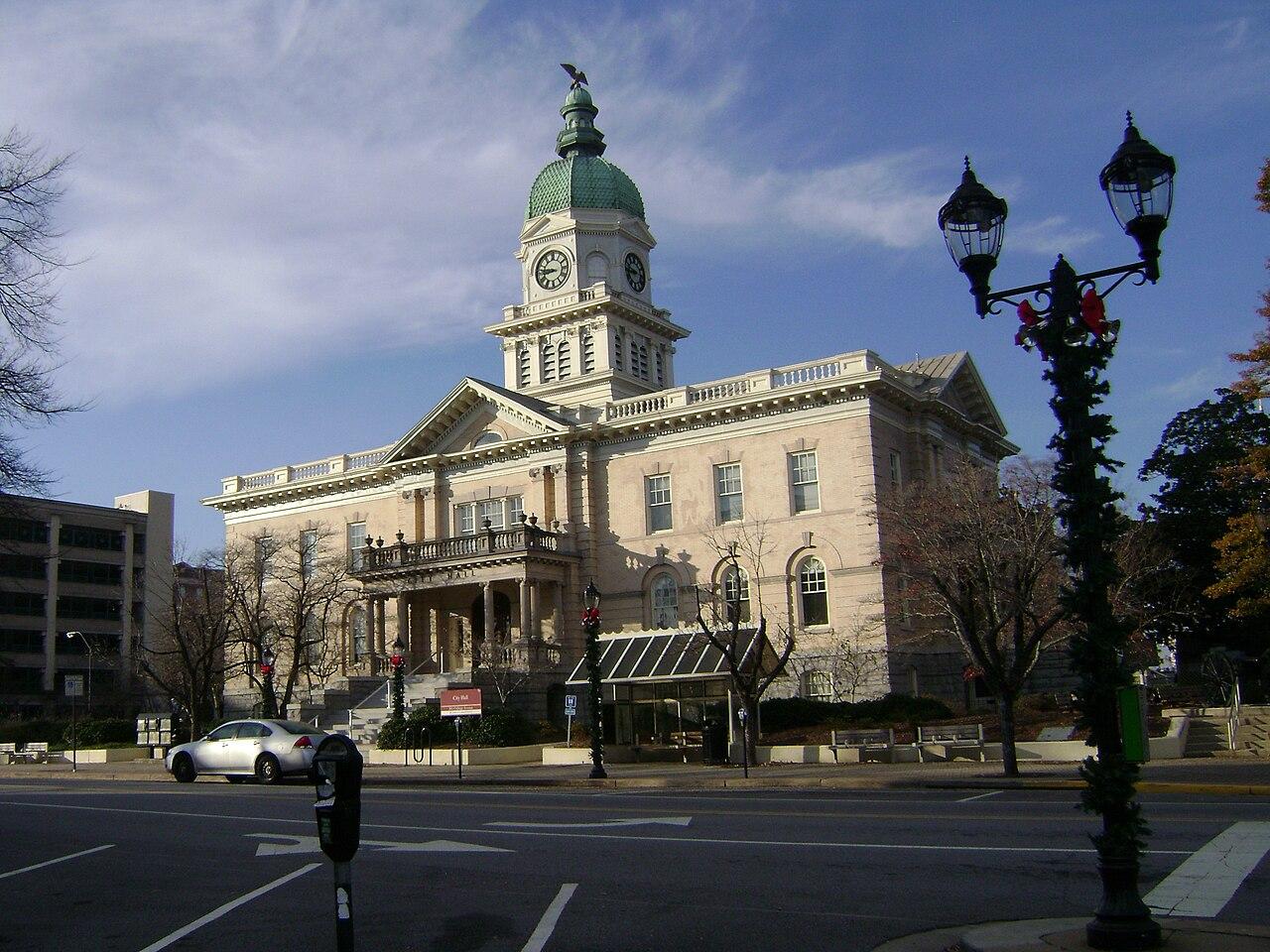
Walk through Exarcheia today and the transformation is visible in storefront signs and street demographics. But the real story lies in the data: property values in the neighbourhood have risen 34% over the past four years, according to real estate surveys tracked by the Hellenic Statistical Authority, while median resident tenure has dropped from 8.2 years in 2018 to just 4.7 years in 2026.
This numerical snapshot captures a broader phenomenon reshaping Athens' social fabric. In Gazi, once a working-class industrial district, Airbnb listings have ballooned from 287 units in 2019 to 1,847 in 2026-a 543% increase that local community groups say has hollowed out year-round residential populations. The neighbourhood's permanent resident count fell from 18,400 to 14,200 over the same period, Athens municipal records show.
The financial pressure is acute. Average monthly rent in Psyrri climbed to €520 per square metre in early 2026, compared to €310 in 2016. For a typical 70-square-metre apartment, that translates to €1,300 monthly-pushing working families toward peripheral zones like Metamorfosi and Acharnes, where rents average €280 per square metre.
Yet the data cuts multiple ways. Tourism revenue to Athens reached €4.2 billion in 2025, supporting an estimated 28,400 direct jobs in hospitality and services-nearly double the 14,800 employed in 2015. Plaka and Syntagma have seen small business turnover accelerate, with 342 new hospitality ventures opening in central zones between 2023 and 2026, even as traditional family-run tavernas number only 127 compared to 189 a decade ago.
Community organisations are leaning on these figures. The Exarcheia Social Housing Collective documents that 31% of neighbourhood households now spend more than 45% of income on rent-well above the EU sustainability threshold of 30%. Simultaneously, municipal data shows Athens received 4.8 million visitors in 2025, with peak-season congestion in neighbourhoods surrounding the Acropolis pushing daytime populations to 14 times resident numbers on some days.
Metro expansion remains a statistical bright spot: ridership on the extended Line 3 to Agia Marina has grown 22% year-on-year since 2024, suggesting infrastructure investment does shift mobility patterns. Yet peripheral neighbourhoods like Vyronas still lack direct connections, reinforcing geographic inequality in commute times-averaging 47 minutes for outer residents versus 28 minutes for central residents.
These numbers aren't abstractions. They map onto lived experience: which communities survive, which transform, and who remains in the city they call home.