news
How Athens Got Here: A Mid-Summer Check on the Capital's Pressing Fault Lines
From the Acropolis' tourist crush to the housing market's Airbnb squeeze, here’s the context behind the headlines shaping daily life in Athens this July.
How we reported this
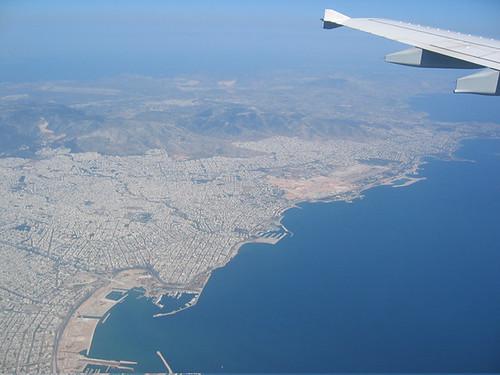
ATHENS, On a scorching Saturday in mid-July, the temperature on Filopappou Hill hit 38°C by noon, and the queue for the Acropolis was already snaking back to the corner of Dionysiou Areopagitou Street. It was a picture-postcard scene-and a snapshot of the contradictions that define this city in the summer of 2026.
Greece’s conservative government under Kyriakos Mitsotakis has spent the first half of the year touting a fiscal comeback: budget surpluses, a return to investment-grade status, and another record tourism season. But on the ground in Athens, the numbers tell a more complicated story, one that didn’t start this year-or even this decade.
Housing: A 15-Year Squeeze Comes Home
Take the housing crisis. The average rent for a 70-square-metre apartment in the central neighbourhood of Exarcheia now runs €750 a month, according to data from the Hellenic Statistical Authority. That’s up 42% from 2019. At the same time, the median salary for a private-sector worker in Attica hovers around €1,100 a month. The math simply doesn't add up for thousands of young renters-and this didn't happen overnight.
Between the 2008 financial crash, the decade-long debt crisis that followed, and the subsequent explosion of short-term rentals, Athens lost roughly 200,000 dwellings from the long-term rental market. Apps like Airbnb now list more than 15,000 active properties in the city centre alone. Entire staircases in the streets around Kolonaki Square have become unofficial tourist hotels, with mailboxes full of key-lock boxes and tenants replaced by rotating visitors.
Municipal officials in the first district-covering Plaka, Monastiraki, and parts of Syntagma-have pleaded for a cap on new short-term rental registrations. But the central government has so far resisted, preferring a tax-incentive approach that critics say has done little to slow the conversion of apartments. The result: landlords earn more from a weekend tourist than a monthly tenant, and thousands of Athenians have been pushed to the suburbs of Peristeri or Kaisariani, commuting longer for less space.
Tourism Overcrowding: The Acropolis Bottleneck
Meanwhile, over the Acropolis, 23,000 visitors a day now walk the same marble path up the Propylaea. That’s the maximum daily cap enforced since September 2023, when the Ministry of Culture introduced timed-entry slots after a summer of near-constant crowding. The system works-on paper. But on the ground, tourists still cluster at the base of the Parthenon, and vendors in the Plaka complain that the cap has simply pushed the crowds into surrounding neighbourhoods without solving the congestion.
The numbers are staggering: 33 million foreign visitors entered Greece in 2025, with the vast majority spending at least a day in Athens. The city’s hotels report 92% occupancy rates for July. The new metro line extension to Piraeus, opened in 2024, has helped move people, but the central stations at Syntagma and Monastiraki remain bottlenecks, especially at sunset when everyone heads to the same rooftop bar on Adrianou Street.
The tension between a tourism-dependent economy and the quality of life for locals is not new, but it has reached a tipping point. Residents of the Anafiotika neighbourhood, tucked under the Acropolis rock, have started hanging signs in Greek and English asking visitors to keep their voices down after 10 p.m. It is a small, telling act of resistance in a city that has built its recovery on being the world's guest.
What happens next? The Mitsotakis government has signalled it will introduce a new tourism levy in September, charging day-trippers from cruise ships an entry fee to historical sites. Meanwhile, the housing ministry is expected to unveil a plan before October that would offer tax breaks to landlords who convert short-term rentals back to long-term leases-but only in designated "over-touristed" zones. Whether those measures will be enough to shift the balance, or simply mark another chapter in Athens’ long, slow recalibration, is a question that won't be answered until the tourists leave for winter-and the city has to live with itself again.