news
Local Government Decisions in Athens: Understanding Their Importance for Residents and Community Wellbeing
Recent official choices impact housing, transport, and tourism, shaping daily life and the city’s future.
How we reported this
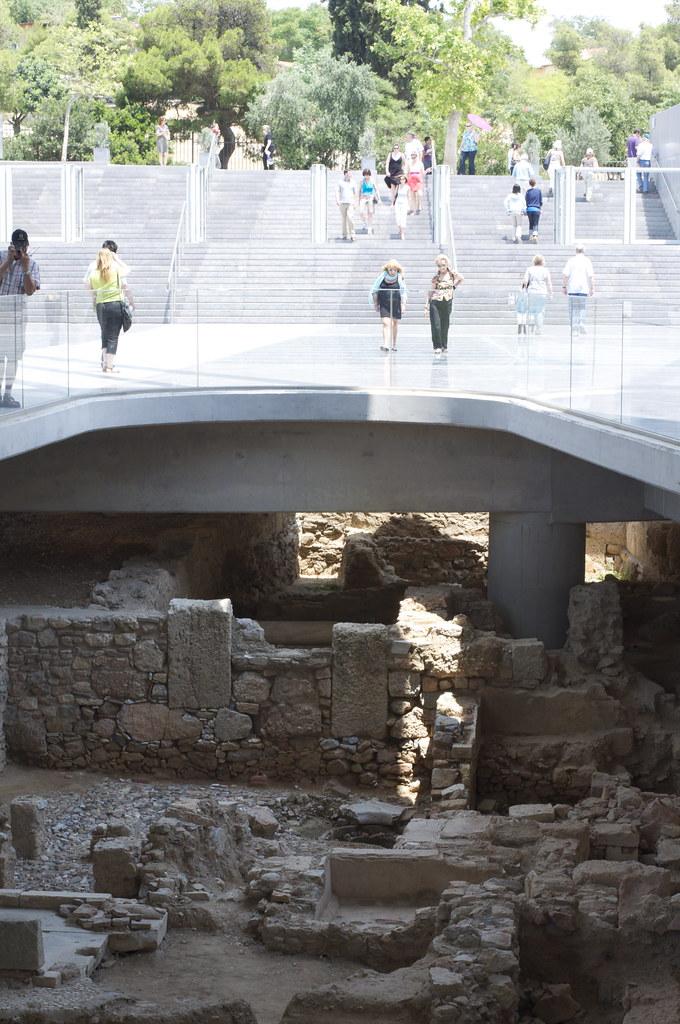
The Athens city council has recently approved a series of decisions addressing the ongoing challenges of housing availability, tourism management, and public transport expansion. These local government moves come amid increasing pressures from tourism overcrowding near the Acropolis and the continuing housing and Airbnb rental crisis affecting many Athenians.
Why These Decisions Matter Now
With summer at its peak, the impact of Athens’s tourism surge is felt most keenly in central neighbourhoods like Plaka, Monastiraki, and Psiri, where crowds have strained public spaces and increased housing competition. Concurrently, residents face an uneven housing market exacerbated by short-term Airbnb rentals that reduce long-term rental stock. Announcements about public transit infrastructure upgrades also signal efforts to improve daily commuting, particularly for those living in increasingly densified urban districts.
Addressing these issues is crucial as they affect not only the quality of life for Athens residents but also the economic sustainability and cultural preservation of the city. Local authorities’ choices in balancing tourism, housing, and infrastructure directly influence whether Athens remains both livable for locals and attractive to visitors.
Local Impact: Housing, Tourism, and Transit
The Metro expansion program, aimed at easing congestion and connecting suburbs more efficiently, targets areas currently underserved by public transit. Although exact routes and timelines remain subject to refinement, this commitment reflects ongoing efforts to modernise transport and reduce car dependency-a persistent problem around Athens's major thoroughfares like Patission and Kifisias Avenue.
On the housing front, officials have signalled measures to regulate short-term rentals more strictly. While no new figures have been released recently, the ongoing crisis in affordable accommodation remains acute in central districts such as Kolonaki and Exarcheia, where rising rents displace longtime residents. The impact of these regulatory efforts will directly affect immigrant communities and young families grappling with rising costs.
The tourism overcrowding near the Acropolis and surrounding pedestrian zones prompted calls for enhanced visitor management and infrastructure upgrades. These measures seek to preserve heritage sites while ensuring residents’ quality of life isn’t sidelined by unrelenting tourist influxes during peak seasons.
What Residents Can Expect Next
For Athenians, practical changes may include incremental improvements in public transport accessibility and more controlled short-term rental practices. Community members should prepare for ongoing dialogues with local councils regarding urban planning and tourism strategy to ensure their voices influence how the city evolves.
In sum, these recent local government decisions represent more than administrative adjustments. They carry immediate and tangible consequences for daily living, economic opportunity, and the cultural fabric of Athens as a city striving to balance its past with a sustainable future.