news
Athens Residents Confront Housing Crisis, Refugee Arrivals Reshaping Daily Life
From housing pressures near the Acropolis to refugee arrivals on the Aegean coast, Athenians reflect on issues reshaping their daily lives.
How we reported this
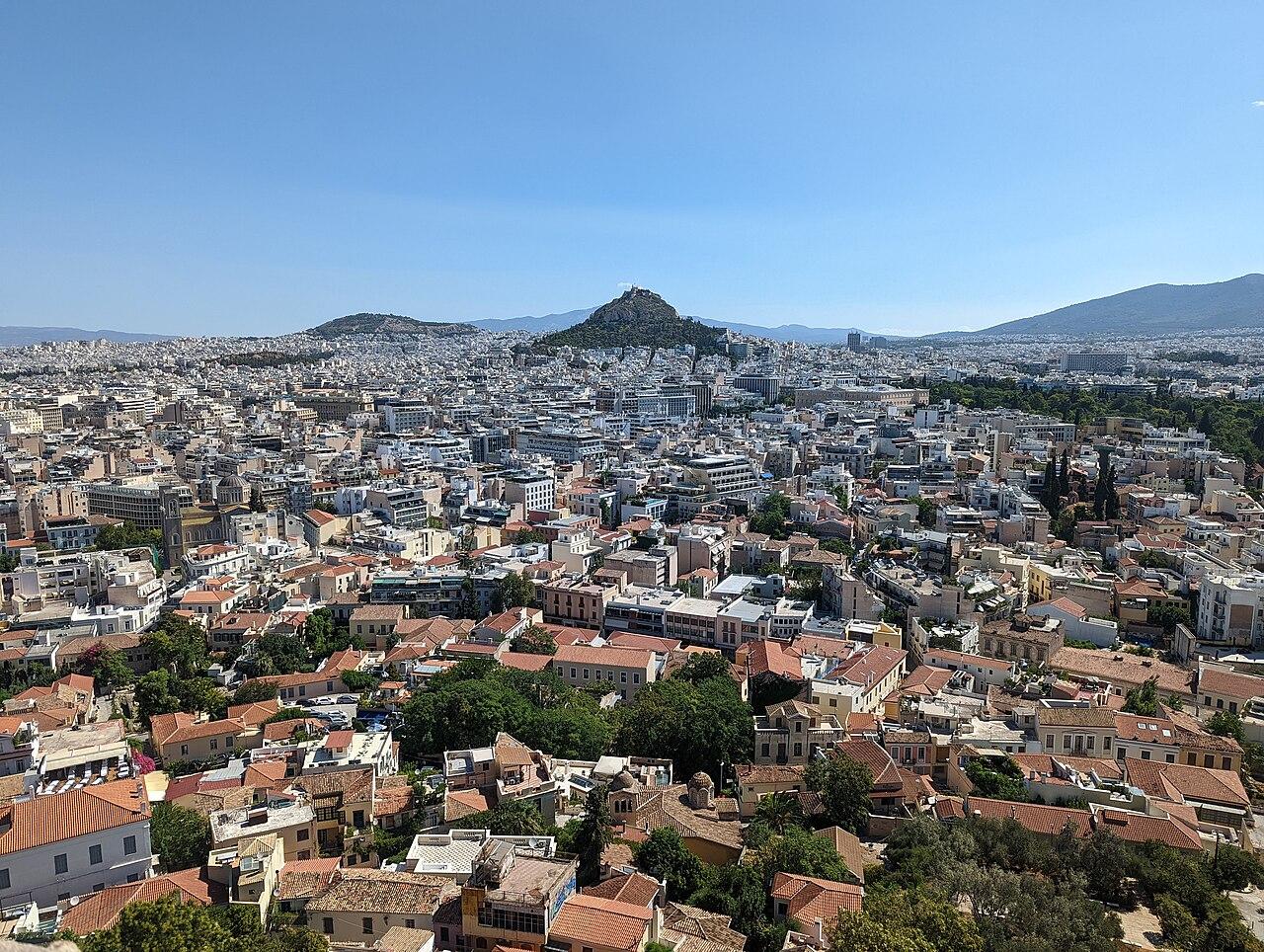
Residents in Athens are expressing frustration and resilience as the city navigates a confluence of challenges including housing shortages linked to Airbnb rentals, increasing refugee arrivals at Aegean borders, and pressures on public infrastructure like the metro system. Community members in neighborhoods around the Acropolis and port areas say these issues directly affect their quality of life, from affordability to access to services.
Housing and Tourism Crowding Bring Daily Strains
In districts adjacent to the Acropolis, many locals describe a tension between tourism income and residential stability. The surge in short-term rentals has shrunk available housing stock for full-time residents, contributing to rising rents and eviction worries. This demand is especially acute in central Athens neighborhoods, where tourism concerns intersect with real estate challenges. Locals note that while tourists fill shops and restaurants during peak seasons, the city’s housing crunch means longtime residents sometimes feel sidelined in their own communities.
Similarly, residents near popular venues report overcrowding on public transit systems, particularly on metro lines serving the city center. The metro’s expansion plans, recently highlighted by municipal goals, aim to ease these strains, but community members highlight the need for effective communication and inclusive planning to ensure the projects serve residential as well as tourism-related traffic.
Refugee Arrivals Add Complexity to Border Areas
Communities along Athens’ connections to the Aegean Sea are also adapting to ongoing refugee arrivals. The impact ripples beyond immediate border towns, as national and local authorities coordinate response efforts amid public debate. Affected residents talk about the challenges of integrating new arrivals, balancing humanitarian concerns with local resources and infrastructure limits. These discussions underscore the complex social fabric Athens is weaving amid these pressures.
Many emphasize the importance of support programs and dialogue efforts to reduce tensions. Local organizations working in border zones collaborate with government agencies, advocating for measured approaches that consider both refugee needs and community cohesion. The conversations reflect a city at a crossroads, balancing open borders policies with the realities of urban planning and social services provision.
Athenians impacted by these intertwined issues acknowledge the critical role of ongoing dialogue and planning. While officials contemplate solutions addressing housing availability, transit capacity, and border management, affected populations seek meaningful engagement to ensure their voices shape the future cityscape.