news
Athens Residents Navigate Housing Pressures, Tourism Surge, Migration Challenges
Community members share their experiences navigating housing pressures, tourism impacts, and migration issues in the city’s historic heart.
How we reported this
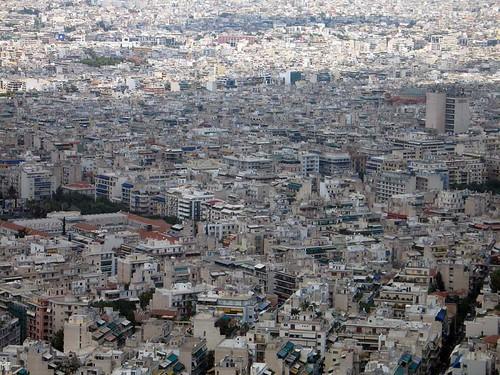
The city of Athens is facing intensifying pressures from multiple fronts, with local residents expressing growing concerns about housing affordability, increasing tourist numbers near landmarks like the Acropolis, and the humanitarian and political complexities surrounding refugee arrivals at Aegean borders.
Caught in the middle of these challenges are longtime Athenians and newer arrivals, who say they are seeing tangible changes to their neighbourhoods and daily lives. Voices from a cross-section of the community illustrate the reality behind the policy debates unfolding in government corridors.
Impact on Housing and Urban Life
In neighbourhoods such as Exarcheia and Psyrri, residents report a squeeze on available rental units and soaring lease costs, an issue heightened by the short-term rental market dominated by platforms like Airbnb. Though exact figures for rent increases are not publicly confirmed, the lived experience reflects a city struggling to provide affordable homes, a situation that aligns with broader reports of a housing and Airbnb rental crisis in Athens under the current conservative government of Kyriakos Mitsotakis.
The slice of residents who have successfully stabilized their housing credit the city's debt recovery progress for enabling greater economic confidence but caution that rising costs still put many at risk of displacement. Nearby, the metro expansion projects offer hope for improved connectivity, yet smaller shops and cultural venues worry about longer-term gentrification effects as the city modernizes infrastructure.
Tourism and Refugee Arrivals: The Human Element
Near historic sites including the Acropolis, frequent overcrowding is changing how locals navigate their daily routines. The thriving tourism economy is well known, but community members voice frustration over overcrowding that erodes public spaces and strains resources.
At the same time, Athens remains a critical point in broader Aegean border politics, where refugee arrivals continue amid complex geopolitical dynamics. While official data defining numbers or specifics of migration flows in recent weeks is unavailable, residents near coastal and border areas describe an undercurrent of unease intertwined with solidarity efforts. Local NGOs and volunteer organisations are increasingly visible, attempting to support newly arrived people in need while advocating for humane and sustainable policies.
These overlapping dynamics highlight challenges that surface beyond official statistics, affecting social cohesion, access to services, and the cultural fabric of the city’s neighbourhoods.
As Athens remains under the spotlight for ongoing debates on Elgin Marbles repatriation and broader EU relations, the everyday voices of those living through this urban complexity add an essential layer to understanding the city’s trajectory.
Moving forward, residents and local activists stress the need for practical solutions that balance economic development, social inclusion, and heritage preservation. City authorities and policymakers face pressure to foster dialogue with communities most directly affected and to respond with policies sensitive to both immediate hardships and long-term sustainability.