news
Athens Residents Confront Housing, Tourism, and Refugee Crises
Residents share firsthand experiences on housing, tourism, and refugee challenges affecting daily life in the capital.
How we reported this
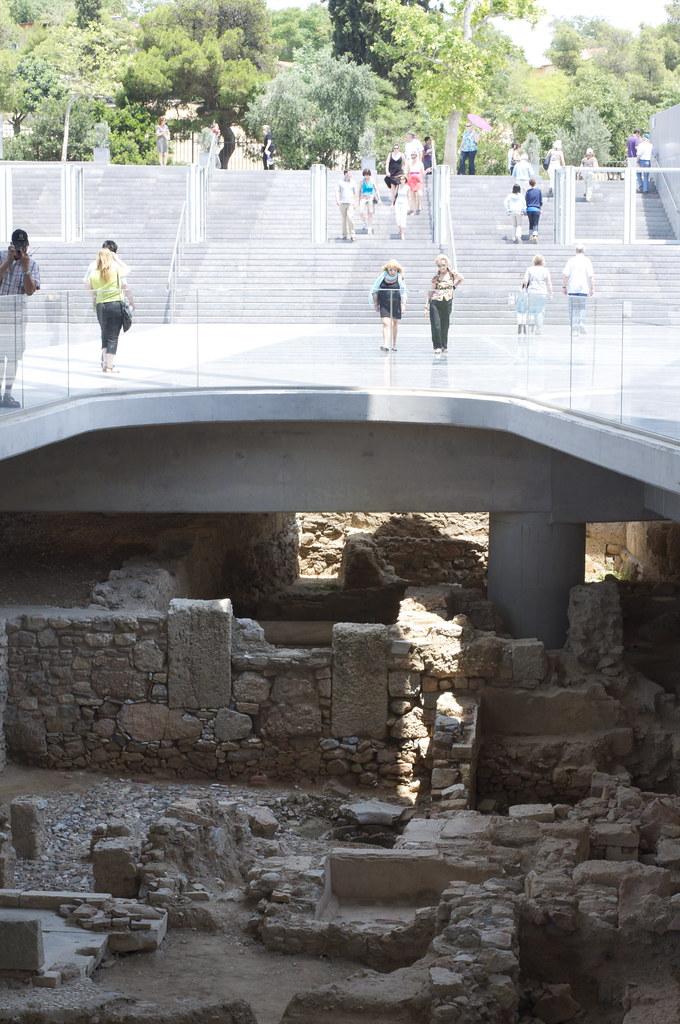
Athens residents are speaking out about the ongoing housing crunch, overcrowding in historic tourism areas, and the pressures caused by increased refugee arrivals in recent months. These issues have generated widespread concern as people living in affected neighborhoods navigate day-to-day uncertainties.
These challenges have intensified over the past years under the Kyriakos Mitsotakis government, as Athens grapples with balancing economic recovery, urban development, and social cohesion. Housing affordability remains elusive for many, while popular city landmarks are experiencing historic tourist numbers, creating pressure on public spaces. Additionally, the arrival of refugees via the Aegean Sea continues to test capacities and local governance.
Strained Housing and Neighborhood Disruptions
In central Athens neighborhoods close to the Acropolis and within the historic Plaka district, residents tell of rising rents and a shrinking supply of permanent housing as Airbnb rentals expand. Many express frustration over the difficulty securing affordable apartments and the changes to local community character.
One long-time resident in Plaka explains how the neighborhood’s traditional fabric is shifting, with many storefronts replacing shops with short-term rental management offices. This adds to the sense of impermanence and affects everyday life. Reduced availability and increasing prices push families further from central areas, complicating commutes and disrupting social networks.
Tourism and Refugee Pressure Points
The flow of visitors to Athens’ renowned sites like the Acropolis is nearing record highs, something that tourists and residents alike have noticed. Crowding around these cultural landmarks during peak season hampers mobility and heightens concerns over the preservation of these historic areas.
At the same time, refugee arrivals continuing at the Aegean border have placed additional demands on local services and infrastructure in areas like Piraeus and coastal suburbs. Non-governmental organizations and community groups have mobilized to provide aid, but residents in affected neighborhoods express mixed feelings about the strain on resources and integration efforts.
Source material paints a qualitative picture of these compounding stresses. While no exact figures on rents or tourist numbers are provided in recent local reports, the trend of rising accommodation demand and overcrowding is clear from ongoing observation and official statements from city planning bodies and service organizations.
Looking ahead, officials suggest continued focus on sustainable urban policies, expansion of metro lines to improve connectivity, and enhanced social programs to support affected communities. For residents seeking relief, staying engaged with local municipal forums and community groups may help amplify voices in policy discussions as the city adapts to evolving challenges.