news
Athens Public Transport History: From 1869 Railway to Modern Metro
Discover how Athens' transport evolved from the 1869 Piraeus railway to today's five-mode OASA network serving 4 million residents across Attica basin.
How we reported this
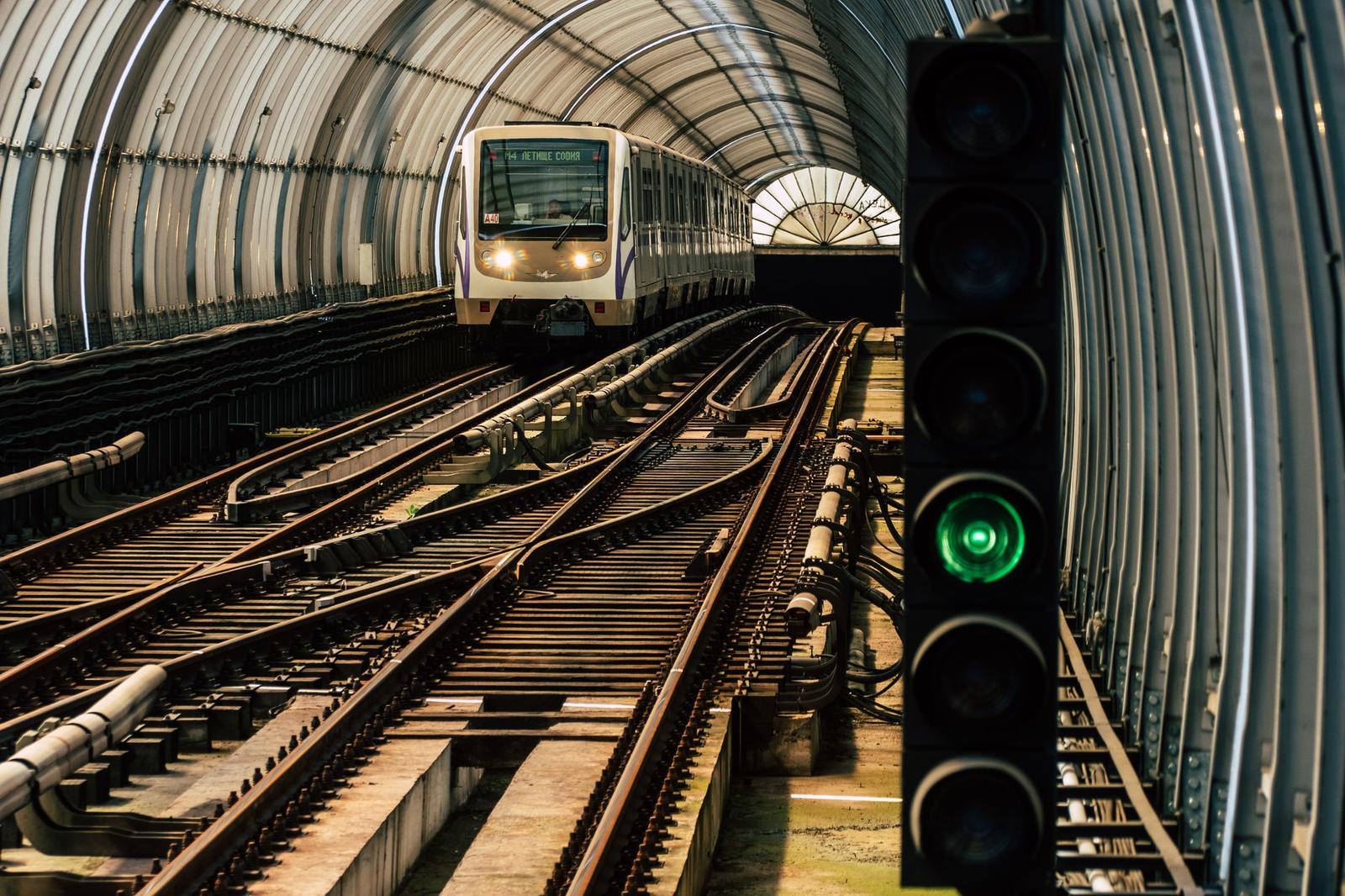
The first scheduled railway in Athens began service in 1869, running alongside carriage routes to connect the city center directly with the port in Piraeus. That line marked the start of organized public transport in the Greek capital, long before cars created traffic and smog.
Today the Attica basin holds a population of nearly four million, and the network includes five main modes of mass transit: metro and electric rail, city buses, electric trolley-buses, trams, and the suburban railway. All but the suburban railway, operated by TrainOSE, fall under the Athens Mass Transit System run by OASA S.A.
Unified Tickets and Enforcement
Universal tickets issued by OASA allow transfers among metro, buses, trams and the urban section of the suburban railway. Passengers must validate tickets at gates or onboard readers; failure to do so carries a fine of €72, reduced to €36 for those eligible for discounted fares.
Airport access illustrates the reach of the system. Athens International Airport lies about 20 kilometers east of central Athens. Express buses and metro line 3 provide direct links, with the latter running every 30 minutes during operating hours.
Recent Network Growth
On October 10, 2022, metro line 3 reached Piraeus with new stations at Maniatika, Aghia Sofia, the Piraeus Municipal Theater and the port itself. The addition created a direct rail connection between the airport and ferry terminals.
Basic fares remain modest. A 90-minute single ticket costs €1.20, or €0.50 for discounted users, while an express bus ticket from the airport is €5.50, or €2.70 at the reduced rate. These options, detailed in the February 9, 2022 guide by Paulina Björk Kapsalis on greece-is.com, continue to shape daily movement across the basin.