Politics
Attica Infrastructure Prioritisation Bill: Athens Receives 62 Percent of Regional Funds Compared to Thessaloniki and Patras
The new allocation directs 1.2 billion euros toward Athens projects including metro extensions and housing upgrades, while Thessaloniki gets 420 million euros under the same density-based formula.
How we reported this
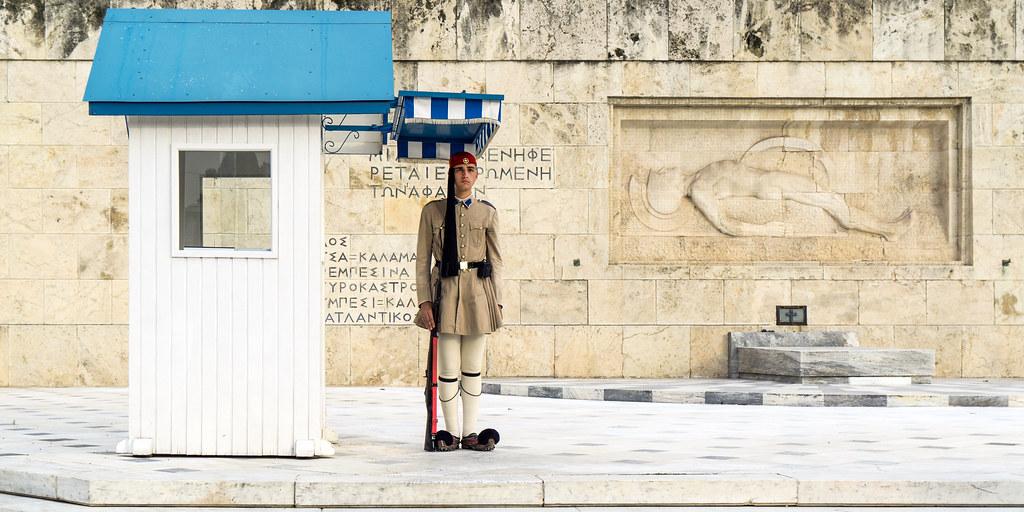
The Attica Infrastructure Prioritisation Bill, enacted by the Greek parliament on 15 June, revises how national and EU cohesion funds reach regional authorities. Athens now accounts for 62 percent of the total envelope, up from 51 percent in the prior cycle, because the formula weights population density and existing infrastructure gaps more heavily than before.
The change arrives as the current EU multiannual financial framework winds down at the end of 2027. Parliament records show the bill was drafted after the Ministry of Development released updated demographic data from the 2021 census, which counted 3.15 million residents in the Attica region.
Effects on Athens daily services and costs
Commuters using the Athens Metro can expect continued work on the Line 4 extension to Galatsi, listed in the bill as a priority project. Local advocates note that 180 million euros from the new tranche will cover tunnel boring and station fit-out, reducing the share previously covered by municipal budgets. Residents in Kypseli and Patissia may see lower annual property tax contributions toward maintenance once the line opens, projected for 2029.
Construction jobs tied to the bill are expected to total 4,800 positions in Athens over the next three years, according to the legislation's accompanying impact statement. In contrast, the same document lists 1,900 positions for the Thessaloniki ring road upgrades and 900 for port-adjacent works in Patras.
Next steps for implementation
The Ministry of Interior has scheduled the first disbursement of funds for October 2026, after regional authorities submit detailed project plans by 31 August. Policy analysts say Athens municipal departments have already begun updating tender documents for the housing renovation component, which targets 2,400 units in central districts.
Further adjustments remain possible if parliament approves supplementary allocations in the 2027 budget. The government projects that Athens households will see the first visible changes in road resurfacing contracts by the second quarter of 2027.