Politics
Athens Revises Energy Subsidy, Affecting Household Utility Bills This Election
Athens households could face shifts in annual utility payments under the city council's proposed revision to its energy assistance allocation.
How we reported this
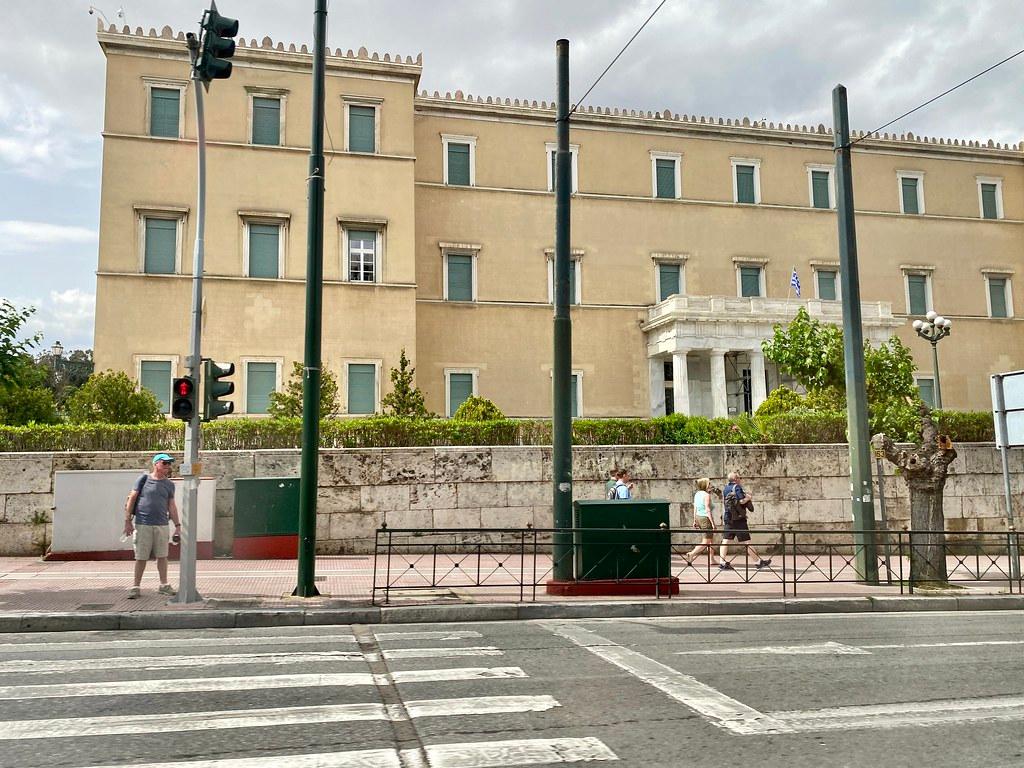
The Athens city council is reviewing an adjustment to its municipal energy subsidy program, which would alter payment structures for qualifying households beginning in the 2027 fiscal year. Candidates in the upcoming municipal elections have placed the measure at the center of their platforms on household costs. The change targets the allocation formula used to distribute funds from the city's annual budget to offset electricity and heating expenses for residents in the municipality.
The review occurs as the council prepares its 2026 budget documents for final approval. Rising energy prices recorded in central districts over the past two years have prompted the examination of current subsidy levels. Policy analysts point to the 2025 municipal finance report, which identified gaps between allocated funds and actual household utility demands across 120,000 registered addresses.
Effects on Athens Household Budgets
Residents in neighborhoods such as Kypseli and Pangrati would see their subsidy calculations shift from a flat per-household amount to one based on income brackets and property size. A family of four in a 70-square-meter apartment could receive a revised annual credit listed in the draft budget papers. Local advocates note that this structure would require updated applications through the municipal portal by December 2026 for continued eligibility.
Single-person households in older buildings without recent energy efficiency upgrades would fall into a separate category under the new formula. The legislation states that payments would be issued quarterly rather than monthly, altering cash-flow patterns for those who rely on the credits to meet utility deadlines. The Productivity Commission has found similar adjustments in other Greek municipalities led to varied uptake rates depending on application processing times.
Timeline for Implementation and Debate
Council staff will present updated projections at a public hearing scheduled for July 22. The government says the policy will reach an estimated 62,000 households once fully rolled out, according to figures in the 2026 draft budget. Candidates are expected to discuss the measure at ward-level meetings through September.
The final vote on the budget package is set for late August. Implementation would begin with the January 2027 payment cycle if approved. Community organizations have scheduled information sessions in district offices to explain the revised eligibility criteria to residents.