Property
How Much Rent Is Too Much? The 30% Rule in Practice
Athens renters are spending well beyond the traditional affordability threshold, and the gap between renting and buying has never been harder to close.
4 min read
Property
Athens renters are spending well beyond the traditional affordability threshold, and the gap between renting and buying has never been harder to close.
4 min read
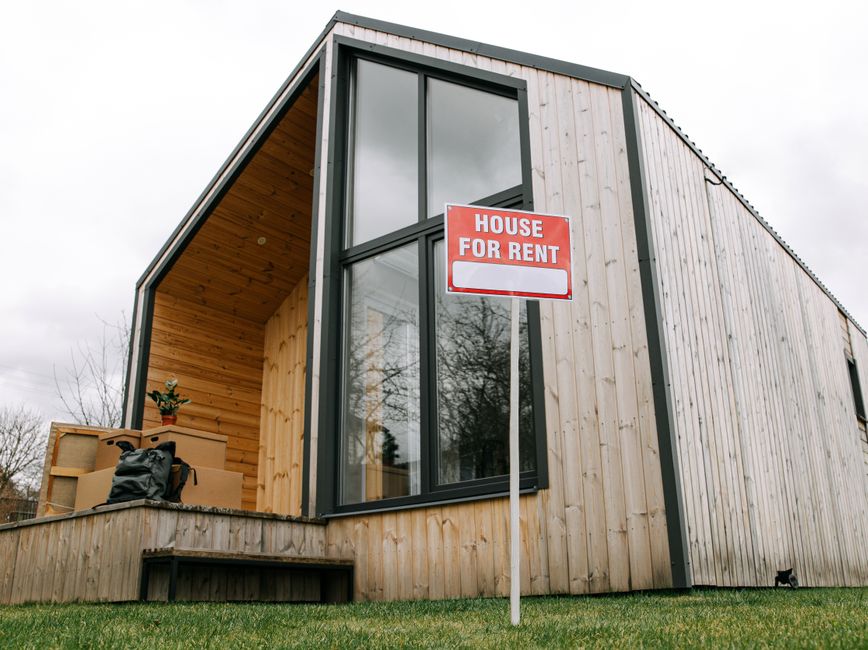
More than half of renters in central Athens are now spending over 40 percent of their monthly income on housing costs, according to figures compiled by the Hellenic Property Federation in its June 2026 quarterly report — a finding that puts the old 30 percent rule firmly in the crosshairs of anyone trying to budget their way through one of Europe's fastest-moving rental markets.
The 30 percent benchmark — the widely accepted ceiling on how much of gross monthly income a household should spend on rent — has its roots in U.S. housing policy from the 1960s, but Greek economists and property advisers have been leaning on it harder this year as Athens rents hit record highs heading into summer. The timing matters: with inflation in Greece running at 3.2 percent annually as of May 2026, wage growth lagging at roughly 2.1 percent, and a post-pandemic tourism surge keeping short-term rental platforms packed with listings in the city's most desirable postcodes, the squeeze on long-term residents is acute.
Walk the length of Ermou Street toward Monastiraki and the evidence is physical. Letting agency windows in Psyrri — a neighbourhood that five years ago was pitched to young tenants as an affordable alternative to Kolonaki — now routinely display one-bedroom apartments at €950 to €1,100 per month. For a single person earning the Greek median net wage of approximately €1,050 per month, that figure alone blows past the 30 percent rule before utilities, food or transport are factored in. In Exarchia, once the city's bohemian budget heartland, studio rents have crossed €750 in streets near Strefi Hill, according to listings data from Spitogatos, Greece's largest property portal, published in early June 2026.
For households asking whether ownership makes more sense, the numbers are equally uncomfortable. Average sale prices in the Koukaki district — a neighbourhood south of the Acropolis that has attracted significant foreign buyer interest since golden visa reforms in 2023 — reached €4,200 per square metre in the second quarter of 2026, up from €3,600 a year earlier. A 55-square-metre apartment there now costs roughly €231,000. At current Eurozone mortgage rates hovering around 4.8 percent on a 25-year term, monthly repayments land close to €1,300 — a figure that actually exceeds typical rent in the same area, but builds equity rather than disappearing into a landlord's account.
The Bank of Greece's financial stability review, released in May 2026, noted that household mortgage debt-to-income ratios remain relatively low by European standards, partly because Greek banks tightened lending criteria sharply after the 2010-2018 debt crisis. That legacy cuts both ways: it kept a generation out of debt but also kept them out of ownership. The Athens Urban Planning Organisation estimates that owner-occupancy rates in the municipality dropped from 74 percent in 2010 to 61 percent by the end of 2025.
The Greek government's 'My Home II' subsidised mortgage programme, which re-opened applications in March 2026 for buyers under 45 earning below €40,000 annually, represents the most direct policy lever currently available. The scheme offers interest rate subsidies and reduced deposit requirements through participating banks including Alpha Bank and Eurobank. Uptake in Attica — the broader region encompassing Athens — has been strong, with around 6,800 applications filed in the first three months, though critics note that approved loan ceilings of €150,000 are often insufficient for city-centre purchases at current prices.
For those who cannot buy and cannot afford current rents without exceeding the 30 percent threshold, the practical calculus involves geography. Neighbourhoods in the western municipality of Peristeri and the northern suburb of Nea Ionia still offer one-bedroom rents between €550 and €680 per month, keeping the affordability rule within reach for median earners — provided they can absorb longer metro commutes. The Attiko Metro line extension to Peristeri, scheduled to open in late 2026, may push even those prices upward once construction fences come down. Renters and buyers alike would do well to act on that information before the ribbon is cut.

Property

Property

Property
Property
About this article
Published by The Daily Athens
Spread the word
Daily brief
Free, in your inbox before 7am. Weekdays.
The Daily Network — local news across Australia