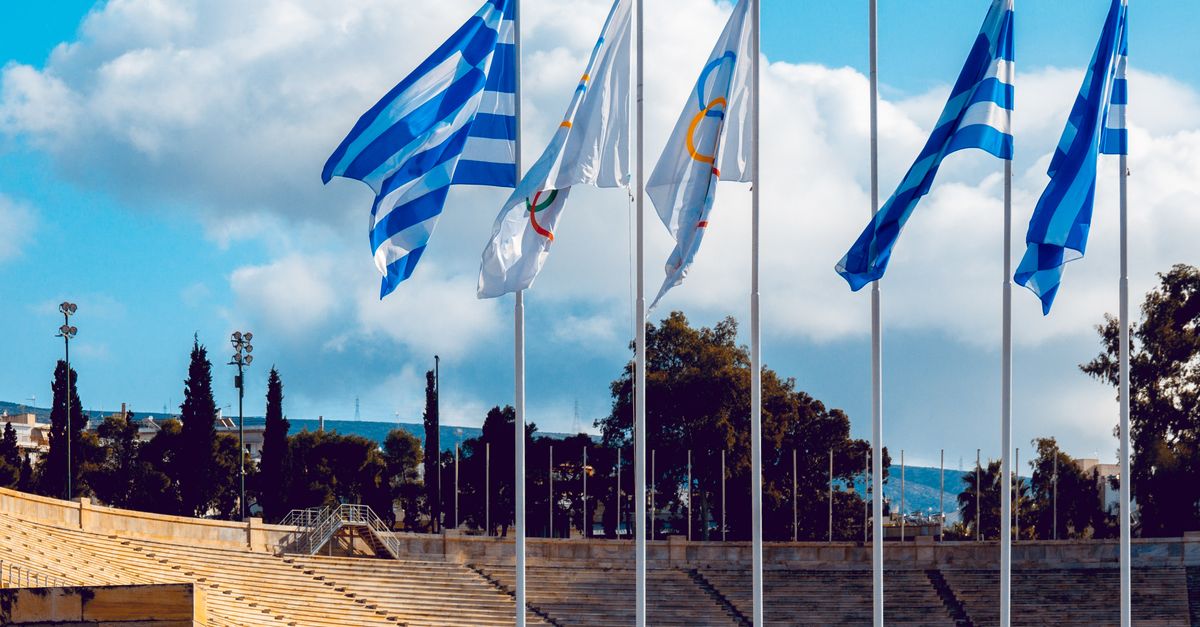
More than 14,000 runners crossed the finish line of the Athens Classic Marathon last November — a record for an event that traces its course from the village of Marathon to Panathenaic Stadium on Vasileos Konstantinou Avenue. That single figure, compiled by the Hellenic Athletics Federation and released in March 2026, has become the headline statistic in a broader story about how Athenians are moving their bodies.
The timing matters. Europe is cooking. France recorded 2,025 excess deaths during a recent heatwave peak, and Greece has endured its own brutal summers. Public health officials across the continent are urging governments to treat physical infrastructure — shade, water points, cycling lanes — as essential rather than cosmetic. Against that backdrop, participation data from Athens carries weight beyond bragging rights. It tells planners, coaches and sponsors what kind of city Athens wants to be.
The Numbers Behind the Trend
The Hellenic Triathlon Federation reported a 31 percent rise in licensed triathletes between January 2023 and January 2026, bringing the national total to just under 4,800. Athens-based clubs account for roughly 60 percent of that membership. The Vouliagmeni Triathlon Club, which trains out of the lake at Vouliagmeni on the southern Athenian Riviera, saw its waiting list grow to 120 applicants this spring — a figure the club confirmed on its public registration portal in April. Entry fees for its annual Olympic-distance race have risen accordingly, from €45 in 2022 to €68 for the 2026 edition, reflecting both demand and the rising cost of event permits along the coastal road.
Cycling tells a similar story. The Attica Cycling Federation logged 6,200 registered riders in its 2025 annual report, up from 4,100 in 2021. The Filopappou Hill circuit in Kolonaki, long a preserve of dog-walkers and tourists, now hosts a structured Thursday-evening group ride that draws between 80 and 110 participants weekly from May through September. Separately, the municipal bike-share scheme Pony Bikes recorded 2.1 million rides in 2025 across its 47 stations in the central city, with the Monastiraki-to-Thissio corridor its single busiest route.
What the raw participation numbers cannot easily capture is the demographic shift underneath them. Race organisers and club administrators across Athens describe a consistent pattern: women now make up approximately 38 percent of triathlon finishers in Attica, compared with roughly 22 percent in 2018. The fastest-growing age bracket in 5km park-run style events — a format now established at Flisvos Marina in Faliro every Saturday morning at 8 a.m. — is 25 to 34. These are not retired athletes rediscovering sport. They are people for whom endurance activity is a first serious athletic experience.
What the Culture Looks Like on the Ground
Walk along the coastal tram route on a Tuesday evening and the evidence is visceral. The seafront promenade between Glyfada and Alimos is striped with joggers, cyclists on gravel bikes and the occasional swimmer hauling themselves out of the Saronic Gulf at the NAOT open-water swimming club's designated access point. The Athens Road Runners, founded in 2011 and operating out of a base near Zappeion in the National Garden, now lists 3,400 members and organises 22 separate training groups segmented by pace per kilometre.
The city's infrastructure has not kept pace. The Kifissos riverside cycling path, meant to connect Peristeri to the centre, remains unfinished at its northern end — a gap that forces riders onto a four-lane road with no dedicated space. The Athens Urban Planning Authority had scheduled completion for December 2025. That deadline was missed. A revised target of October 2026 is now in the official project documentation.
For anyone looking to join the movement before summer heat shuts down outdoor training, the practical advice is straightforward. Register for autumn events now — the Athens Half Marathon in November typically sells its 8,000 places by mid-August. Train before 7 a.m. or after 7 p.m. through July and August. And check the Hellenic Athletics Federation website, which publishes a consolidated race calendar updated monthly, for events within reach of the metro network. The boom is real. The city's lungs are opening up. The question for 2027 is whether the roads and paths can keep up.