Wellness
The Best Wind-Down Routines Backed by Sleep Science
Athens may thrive on late-night energy, but sleep researchers say a structured 60-minute pre-bed ritual could be the city's most underrated wellness tool.
4 min read
Wellness
Athens may thrive on late-night energy, but sleep researchers say a structured 60-minute pre-bed ritual could be the city's most underrated wellness tool.
4 min read

Greeks average just 6.2 hours of sleep per night — the lowest figure in the European Union, according to a 2025 RAND Europe analysis of sleep habits across 28 member states. That gap between the recommended eight hours and what most Athenians actually get is not merely a fatigue problem. Chronic sleep deficit is now linked to elevated cortisol, impaired glucose regulation, and a measurably higher risk of cardiovascular disease. Sleep scientists are increasingly blunt: the hour before bed matters as much as the hours spent in it.
This is landing in a city already primed for wellness conversations. Athens has seen a sharp expansion in yoga studios, cold-plunge facilities, and nutrition clinics over the past three years, particularly in Kolonaki and along Vouliagmenis Avenue toward Glyfada. The question now is whether Athenians will apply the same discipline they bring to morning routines to the neglected territory of night-time wind-down.
The hormone picture is part of the reason the conversation has intensified this summer. Endocrinologists and sleep physicians across Europe have been fielding more questions about melatonin supplementation — the body's own darkness signal, produced by the pineal gland and typically rising around 9 p.m. when artificial light isn't interfering. The core problem in a city like Athens, where rooftop dinners, illuminated tavernas in Monastiraki, and smartphone scrolling are cultural staples, is that blue-spectrum light suppresses melatonin production by up to 50 percent, per research published in the Journal of Clinical Endocrinology & Metabolism. The body reads bright screens as midday sun.
Sleep researchers at institutions including the Stanford Center for Sleep Sciences and Medicine have converged on a protocol that is straightforward, if not easy. The central principle: begin dimming your environment 90 minutes before your target sleep time. This means warm, low-lux lighting — candles or amber bulbs below 10 lux — rather than overhead LEDs. Screen use should stop entirely 60 minutes before bed, not merely switched to night mode. The evidence for night mode reducing melatonin suppression is, according to a 2024 meta-analysis in Sleep Medicine Reviews, considerably weaker than the marketing around it suggests.
Temperature is the other variable that Athenians can control. Core body temperature needs to drop roughly one degree Celsius to initiate deep sleep. A lukewarm shower — around 40°C, not hot — taken 90 minutes before bed accelerates that drop through peripheral vasodilation. The Athens Urban Heat Island effect, which pushes overnight urban temperatures 4 to 6°C higher than surrounding areas even in early July, makes bedroom cooling particularly critical. A ceiling fan or portable air conditioning unit set to 19–20°C is, strictly from a sleep physiology standpoint, one of the highest-return wellness purchases available.
Cognitive decompression matters too. The practice of writing tomorrow's task list before bed — not journaling emotions, but a concrete, specific to-do list — was shown in a 2017 Baylor University study to reduce sleep-onset latency by an average of nine minutes. It offloads what psychologists call the Zeigarnik effect: the brain's tendency to rehearse unfinished tasks involuntarily.
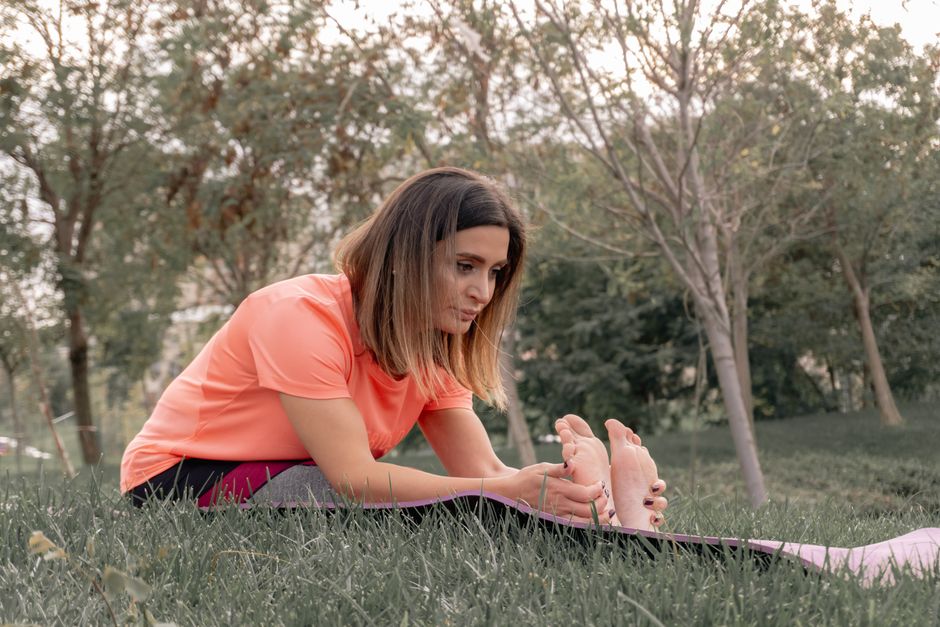
Two Athenian wellness operators are building sleep-specific programming into their wider offerings. The Holistic Wellness Centre on Skoufa Street in Kolonaki introduced a Friday evening restorative yoga class in May 2026, explicitly designed as a wind-down sequence using long-hold yin postures and guided breathing to lower sympathetic nervous system activity. Attendance has grown steadily since launch. Separately, the Athens Natural History & Wellness Institute near Pedion tou Areos park ran a four-week sleep hygiene workshop series in June, covering circadian rhythm management, caffeine timing, and light exposure — with the next cohort scheduled to begin in September 2026.
Caffeine timing is worth flagging specifically. The half-life of caffeine in the average adult is around 5.7 hours. A double espresso at 4 p.m. — a completely ordinary Athens occurrence — still has roughly half its stimulant load active at 10 p.m. Shifting the last coffee of the day to before noon is an unglamorous but evidence-solid intervention.
Anyone dealing with persistent insomnia, unusual sleep patterns, or fatigue that doesn't resolve with lifestyle changes should consult a licensed physician or sleep specialist. Athens-based general practitioners can refer patients to accredited sleep clinics, including the sleep disorders unit at Evangelismos Hospital. A wind-down routine is a foundation, not a diagnosis.
About this article
Published by The Daily Athens
Spread the word
Daily brief
Free, in your inbox before 7am. Weekdays.
The Daily Network — local news across Australia