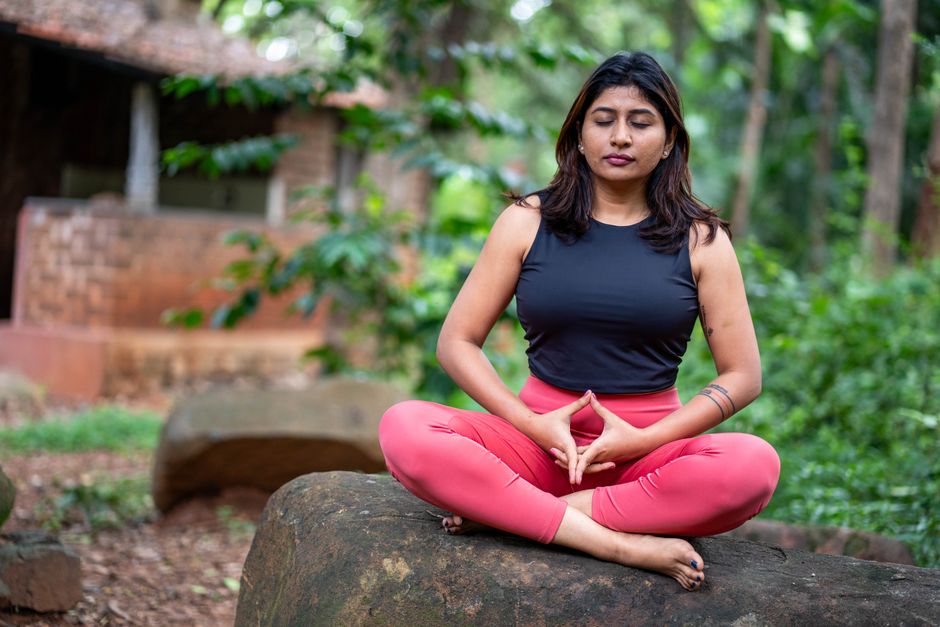
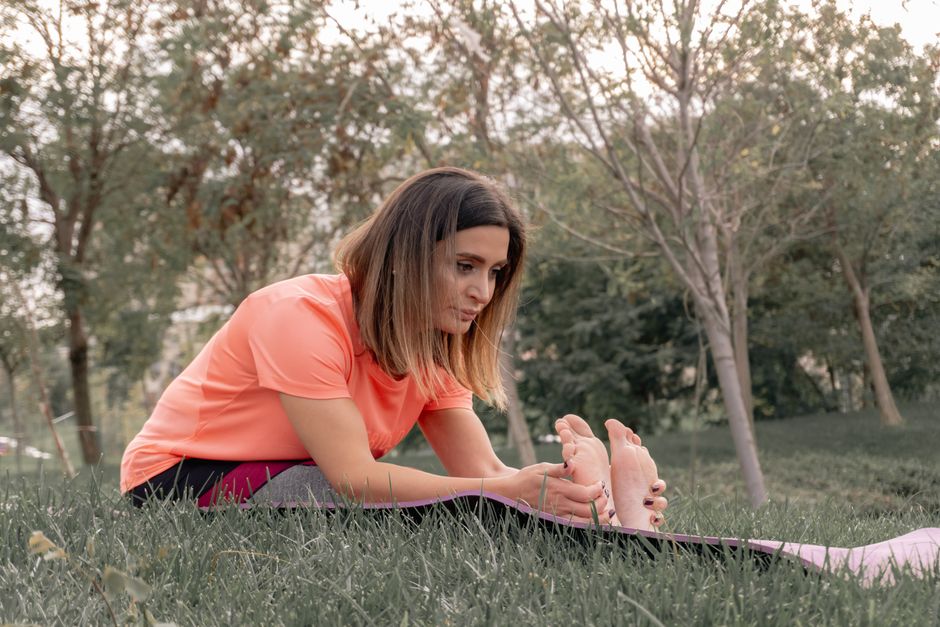
Regular meditation physically alters the structure of the human brain. That is not a wellness-industry slogan — it is the conclusion of over two decades of neuroimaging research, and it is driving a quiet but significant shift in how mindfulness programs are delivered across Athens.
The timing matters. Across Greece, rates of chronic stress and anxiety-related disorders have remained stubbornly elevated since the economic turbulence of the 2010s, and a 2024 Hellenic Psychiatric Association survey found that roughly 38 percent of urban Greeks report symptoms consistent with moderate anxiety. Public health practitioners are increasingly looking beyond pharmacological responses, and mindfulness — once dismissed in clinical circles as soft science — now has a body of peer-reviewed literature substantial enough to demand serious attention.
What the Neuroscience Actually Shows
The most consistently replicated finding involves the prefrontal cortex, the region responsible for attention regulation, decision-making, and emotional control. A landmark 2011 study out of Harvard Medical School used MRI scans to show that participants who completed an eight-week Mindfulness-Based Stress Reduction (MBSR) program had measurably increased grey matter density in the left hippocampus and the temporoparietal junction — regions tied to learning, memory, and empathy. The amygdala, the brain's alarm system, showed reduced grey matter density in the same cohort, correlating directly with participants' self-reported drops in stress levels.
More recent work published in NeuroImage in 2023 refined those findings further. Long-term meditators — defined as people with more than 1,000 hours of cumulative practice — showed markedly thicker cortical folds in the right anterior insula, a structure involved in interoception, the brain's ability to sense internal body states. Practitioners essentially become better at noticing what is happening inside their own bodies before stress responses escalate.
The default mode network also changes. This is the neural circuitry that activates during mind-wandering — the internal narrative loop that replays arguments, rehearses anxieties, and generally keeps the mind anywhere but the present moment. Functional MRI studies show that even short-term meditators demonstrate reduced default mode activity and, crucially, faster recovery when the network does activate. The brain learns to interrupt the spiral more efficiently.
Athens Is Paying Attention
Local wellness practitioners have been tracking this research closely. The Athens Mindfulness Centre, based on Skoufa Street in Kolonaki, introduced an eight-week MBSR course modelled directly on the Jon Kabat-Zinn protocol — the same format used in the Harvard studies — in January 2025. The course, priced at €280 for the full program, runs twice yearly and typically fills within three weeks of opening registration.
In Pangrati, the community-oriented studio Metanoia Wellbeing has taken a slightly different approach, embedding neuroscience explainer sessions into its six-week meditation programs. Instructors walk participants through simplified diagrams of prefrontal cortex function before each guided session, grounding the practice in mechanism rather than philosophy. The studio reports that participants who receive the neurological framing complete the full six weeks at a higher rate — around 74 percent completion versus a sector average closer to 55 percent, according to its own internal tracking data.
The Onassis Stegi cultural centre on Syngrou Avenue has also begun incorporating structured mindfulness workshops into its public programming, scheduling four weekend sessions through October 2026 as part of its broader arts and wellbeing series. Tickets are priced at €15 per session.
For Athenians curious about starting a practice, the research offers a practical threshold: studies consistently suggest that 25 to 30 minutes of daily mindfulness meditation over eight consecutive weeks is sufficient to produce detectable structural brain changes. Shorter sessions of 10 to 12 minutes can still reduce cortisol levels measurably, making them a reasonable entry point for beginners. Free guided sessions in Greek are available through the Hellenic Mindfulness Institute's podcast feed, updated monthly. Anyone with existing mental health conditions should speak with a doctor or licensed psychotherapist before beginning an intensive program — the science is robust, but personal circumstances vary considerably.