Roughly one in five working Athenians clocks hours outside the standard 09:00–17:00 window. That number, drawn from a 2024 Hellenic Statistical Authority labour survey, covers nurses pulling overnight shifts at Evangelismos Hospital on Ipsilantou Street, kitchen staff closing down tavernas in Monastiraki well past midnight, and the dockworkers rotating through Piraeus on six-hour turnarounds. What all of them share, beyond irregular pay stubs, is a circadian rhythm under constant assault.
The timing matters. July in Athens brings temperatures that have routinely pushed above 38°C in recent years, and sleeping through a hot afternoon — which shift workers must often do — is physiologically harder than sleeping in cooler overnight hours. The urban heat island effect in densely built central neighbourhoods like Kypseli and Koukaki means that by 14:00 an un-airconditioned bedroom can feel less like rest and more like a punishment. When the body is already fighting an inverted sleep schedule, ambient heat becomes the enemy that tips exhaustion into genuine health risk.
What the Research Actually Shows
The World Health Organization classified night-shift work as a probable carcinogen back in 2007, and the evidence has only accumulated since. A meta-analysis published in the journal Sleep Medicine Reviews in early 2025 found that chronic shift workers face a 29 percent higher likelihood of developing metabolic syndrome compared to day workers, independent of diet and exercise habits. The mechanism is blunt: disrupted melatonin cycles interfere with insulin sensitivity, appetite regulation and cardiovascular repair processes that the body performs during deep sleep.
For Athens specifically, researchers at the University of Athens Medical School's Department of Psychiatry have been tracking sleep quality among shift workers since a pilot programme launched in October 2023. Early results, presented at a conference in Thessaloniki last March, suggested that workers in the hospitality sector — a sector employing an estimated 68,000 people across the greater Athens metropolitan area — report the highest rates of self-diagnosed insomnia among all shift-work categories studied. The hospitality boom along the Vouliagmeni coastal strip and the Plaka tourist corridor has added thousands of those irregular-hours positions since 2022.
Practical Steps That Actually Help
Sleep specialists working through Athens's public health network consistently point to a handful of interventions that cost nothing and show measurable results. First: anchor your sleep window. Even if the hours shift day to day, keeping your wake-up time within a 30-minute range trains the brain's suprachiasmatic nucleus — the internal clock — to expect light stimulation at a predictable moment. Second: treat light as a tool, not an accident. Workers finishing a night shift at dawn should wear blue-light-blocking glasses on the commute home; several pharmacies along Panepistimou Avenue stock them for under €18.
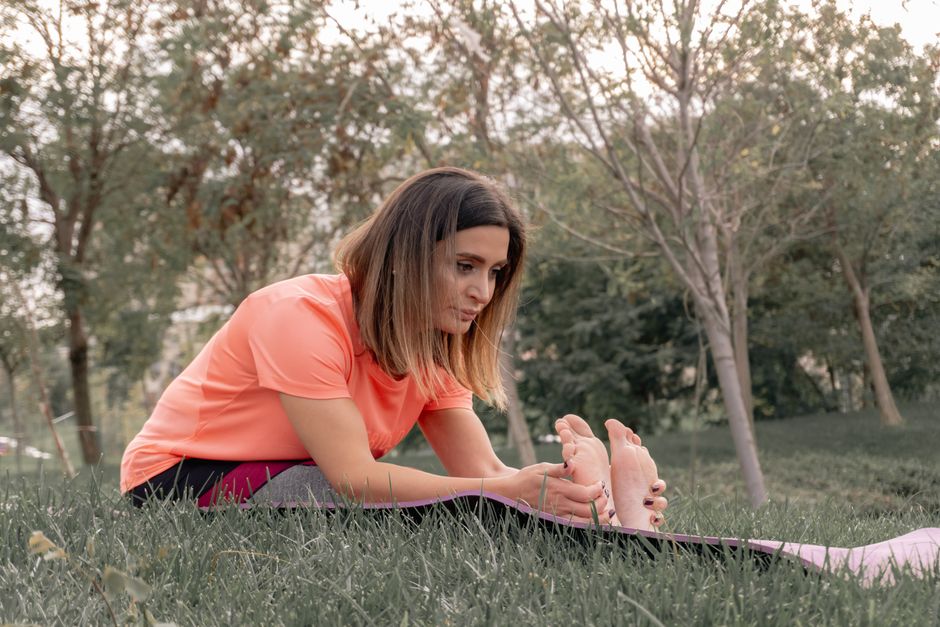
The Athenian wellness community has started building infrastructure around these needs. The YMCA Athens facility on Amerikis Street runs a shift-worker yoga class at 07:30 three mornings per week, designed specifically to help overnight workers decompress before sleeping. The session keeps the lights dim and avoids high-intensity movement that would spike cortisol. Separately, the municipality's Kifissia Wellness Centre — part of the broader Athens Active programme funded through the European Social Fund — offers free sleep-hygiene consultations on Tuesdays and Thursdays, no health insurance required.
Nutrition timing is the detail most shift workers ignore. Eating a full meal within two hours of intended sleep onset suppresses melatonin production and raises core body temperature, making sleep onset harder. A small protein snack — yogurt, a handful of walnuts — is preferable. Caffeine has a half-life of roughly six hours, so a double espresso at a shift-change break at 03:00 is still half-strength in your system at 09:00 when you're trying to sleep.
The single most underused tool remains a sleep diary. Tracking bedtimes, wake times, and mood for just two weeks gives enough data for a GP at any neighbourhood health centre — including the ones on Acharnon Street in Patisia — to identify patterns and make targeted referrals. Anyone experiencing chronic fatigue, persistent low mood or memory problems linked to shift schedules should make that appointment their starting point.