wellness
Athenians Transform Daily Walks Into Mindfulness Practice Without Expensive Studios
Athenians are discovering that the city's ancient streets and modern parks offer the perfect setting for contemplative walking practice-no studio membership required.
How we reported this
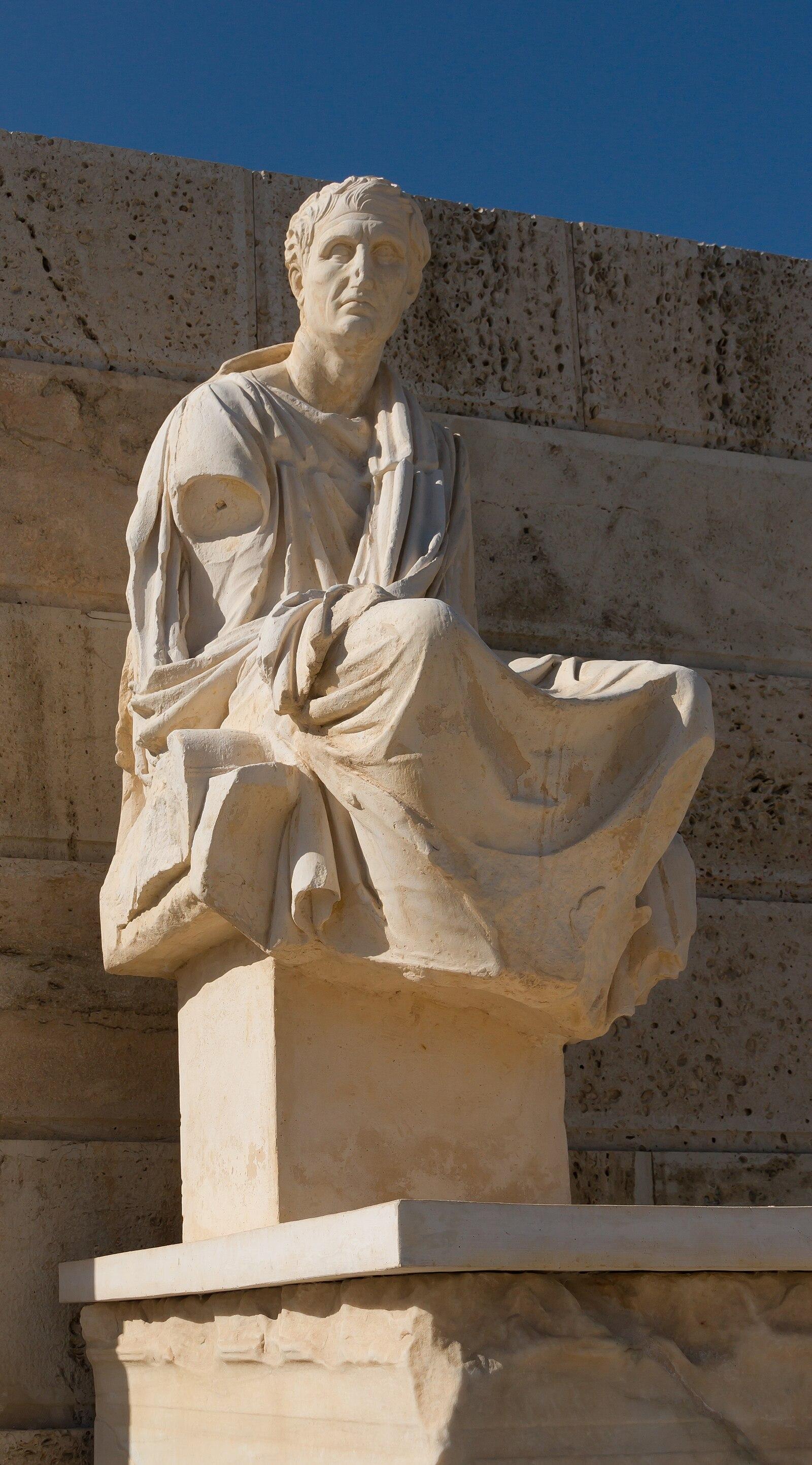
Walking meditation is not a new invention. What is new is how many Athenians are turning their commutes and weekend strolls into formal mindfulness practice, ditching the idea that meditation requires sitting still in a quiet room.
The shift reflects a broader wellness trend: as economic uncertainty lingers and everyday stress compounds, people are looking for accessible ways to anchor themselves. Walking meditation costs nothing, requires no equipment, and fits into the rhythms of daily life-a practical advantage in a city where many residents already spend time on their feet navigating neighbourhoods from Plaka to Exarchia.
Why Athens is ideal for the practice
The city's geography makes it natural territory for contemplative walking. The National Garden, spanning roughly 15.5 hectares in the heart of central Athens, has become a de facto practice ground for those combining fitness with formal mindfulness work. The winding paths through pine and cypress trees offer what practitioners call "soft fascination"-visual interest that doesn't demand cognitive effort, freeing mental bandwidth for breath awareness and body scanning.
Stavros Niarchos Foundation Cultural Center in Kallithea also hosts structured walking meditation sessions as part of its expanded wellness programming. The waterfront promenade nearby provides a second venue where locals have begun informal practice groups, often meeting early morning before traffic intensifies.
What distinguishes these spaces from a simple walk is intention. Walking meditation requires slowing pace-typically to half normal speed, around two kilometres per hour-and anchoring attention to physical sensations: the contact of each foot with pavement, the rhythm of breath, the temperature of air on skin. The destination becomes irrelevant; the walk itself is the practice.
The research backing contemplative movement
Studies from the University of Massachusetts and other institutions have documented measurable effects. A 2024 meta-analysis found that regular walking meditation reduced cortisol levels by an average of 12 percent over eight weeks, with benefits accumulating fastest in the first three weeks. Blood pressure improvements tracked similarly to seated meditation practices, suggesting the movement component doesn't dilute the nervous-system effects.
For Athenians specifically, the appeal extends beyond physiology. Locals cite a desire to rebuild connection with familiar streets-to move through the city with presence rather than autopilot. The Lycabettus Hill circuit, popular for morning walks, has become an informal hub where practitioners encounter one another and occasionally exchange tips on pacing and attention-anchoring.
Cost remains a barrier for gym-based mindfulness. Boutique meditation studios in central Athens charge between €15 and €25 per class; walking meditation is free. Apps like Insight Timer and Ten Percent Happier offer audio guides tailored to walking practice (€8 to €10 per month for subscription features), but many practitioners simply use internal counting-steps or breath cycles-as their anchoring mechanism.
Starting a walking meditation practice requires minimal setup. Choose a route familiar enough that navigation becomes automatic: your regular commute, a local park loop, or a neighbourhood street you know well. Begin at a pace slightly slower than comfortable. For the first ten minutes, focus on the physical sensation of walking-heel strike, weight transfer, toe-off. When attention wanders (it will), gently redirect without judgment. Many practitioners set a timer for 20 to 30 minutes initially, expanding duration as the practice becomes familiar.
The practical advantage is underestimated. Unlike seated practice, walking meditation integrates into existing routines. Commuting to work becomes formal practice. Weekend errands become opportunities for nervous-system reset. In a city where time scarcity is a perpetual complaint, embedding mindfulness into movement that was going to happen anyway removes a common friction point.
For those curious about the practice, the barrier to starting is genuinely low. Pick a quiet street in your neighbourhood, slow your pace, and pay attention. The Plaka's less-trafficked alleyways, the Gazi waterfront, or any section of Athens' extensive network of parks will do. The ancient Greeks walked these stones in contemplation for millennia. The practice simply names what many are already discovering: sometimes the most effective mindfulness tool is the one that meets you where you already are.