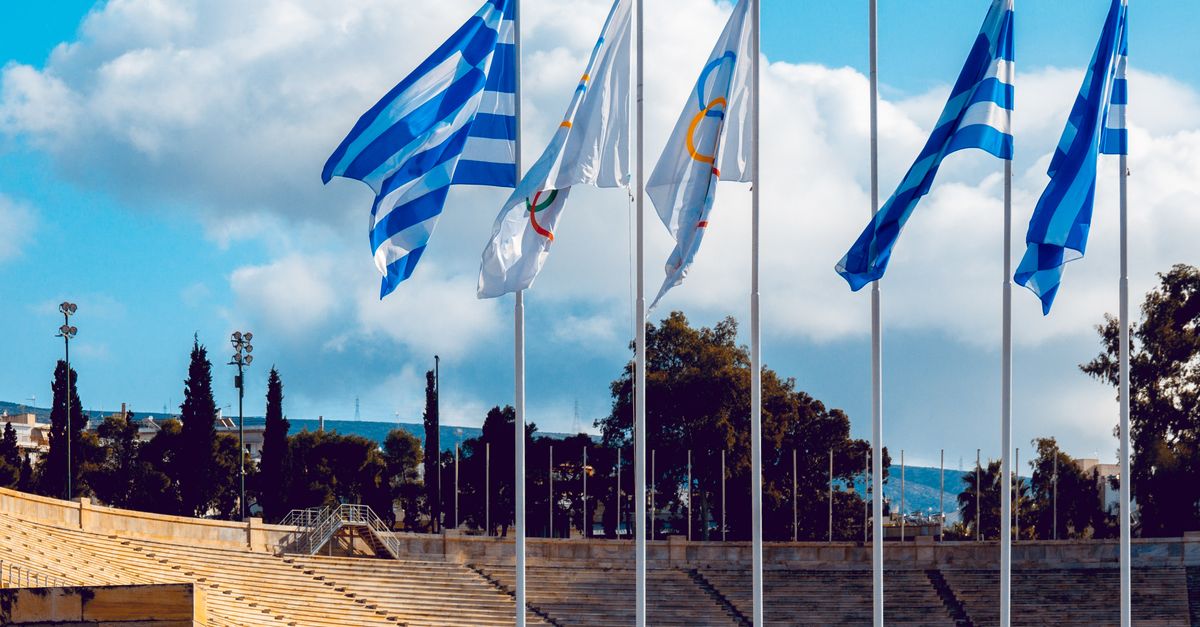
Athens' fitness landscape has undergone a remarkable transformation over the past five years, with the city's expanding network of gyms, training centres, and sports facilities now reflecting broader investment in local athletic infrastructure. The shift extends far beyond traditional weight rooms, encompassing everything from CrossFit boxes in Psyrri to state-of-the-art swimming complexes that continue the legacy of the 2004 Olympic Games.
The capital's premier facilities tell a story of modernisation and accessibility. The Hellenic Athletic Centre in Maroussi remains one of Europe's most comprehensive training hubs, offering Olympic-standard facilities that serve elite athletes and recreational users alike. Meanwhile, neighbourhoods like Kolonaki have seen an explosion of boutique fitness studios, with premium membership rates ranging from €60 to €120 monthly for specialised classes. In contrast, municipal gyms across Gazi and Exarcheia maintain more affordable pricing around €25-40 monthly, democratising access to quality training spaces.
Infrastructure expansion has particularly accelerated along the Athenian waterfront. The Flisvos Marina precinct now hosts multiple training centres catering to rowing, windsurfing, and swimming communities, while the nearby Peace and Friendship Stadium continues hosting professional and amateur sporting events. These venues collectively serve an estimated 150,000 regular users across greater Athens, according to data from the Hellenic Athletic Federation.
The rise of hybrid fitness models has also shaped local infrastructure investment. Studios combining yoga, pilates, and functional training have multiplied across Ampelokipi and Vyronas, often featuring €800-1,200 membership packages annually. Simultaneously, outdoor fitness culture has flourished, with the National Garden and Stavros Niarchos Park Foundation Cultural Centre establishing open-air training zones that require minimal infrastructure investment yet attract thousands of participants.
Challenges remain significant. Many municipal facilities struggle with maintenance backlogs, despite their crucial role in community fitness. Aquatic infrastructure, particularly in outer suburbs, lags considerably behind demand. Pool availability across the broader Attica region serves roughly one facility per 50,000 residents—substantially below European averages.
Looking ahead, city planners are prioritising facility upgrades in underserved neighbourhoods, with proposed investment in sports complexes across Kallithea and Vyronas expected to commence within eighteen months. These initiatives reflect growing recognition that robust local infrastructure drives participation rates, public health outcomes, and ultimately, Athens' standing as a sporting capital capable of nurturing athletic excellence at all levels.
This article was compiled by AI and screened before publishing. See our editorial standards.