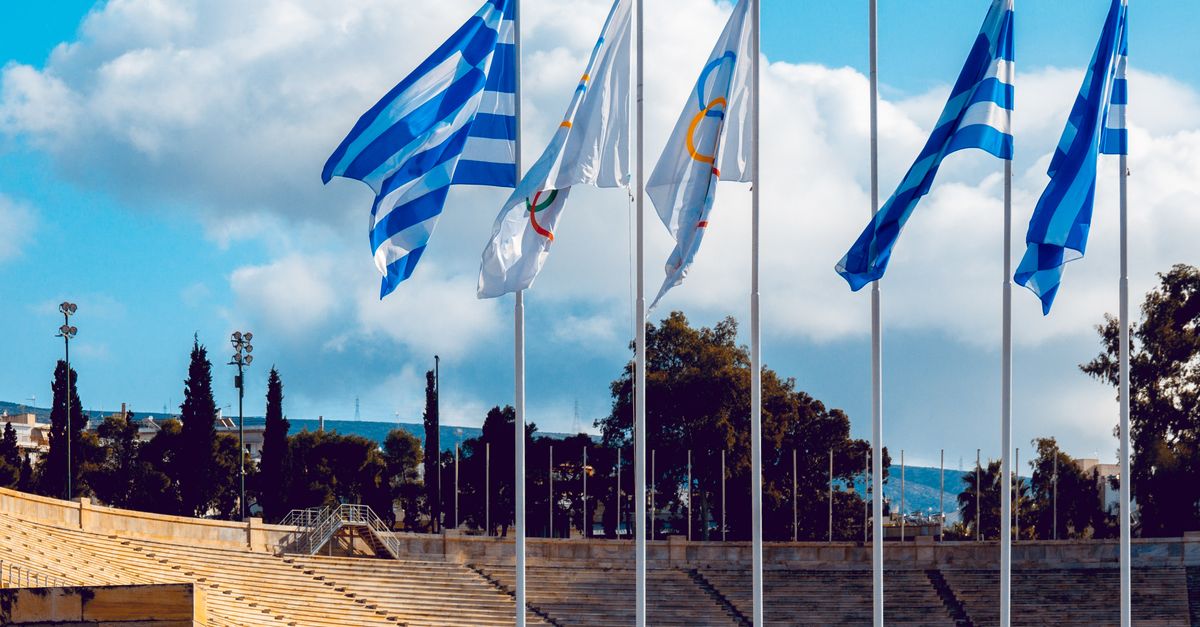
Athens has long positioned itself as a sporting capital of Europe, yet the city's athletic infrastructure tells a more complex story. The Panathenaic Stadium in Pangrati, still drawing visitors a quarter-century after hosting Olympic triumphs, stands as a monument to past glory. Yet beneath this veneer, facility managers across the metropolitan area grapple with aging equipment, inadequate climate control, and rising operational costs that threaten the viability of hosting major competitions.
The recent pattern of extreme weather across Europe adds urgent pressure. Venues across Attica face unprecedented demands during summer heat events, with cooling systems in indoor facilities like the Peace and Friendship Stadium in Piraeus working at maximum capacity. Elite athletes training at the Hellenic Athletic Centre on Kifissia Avenue have reported surface degradation and equipment shortages, raising questions about whether current maintenance budgets—estimated at €2.8 million annually across major municipal venues—adequately serve the city's sporting ambitions.
Water access presents another critical challenge. The Schinias Olympic Rowing Centre, hosting international competitions, depends on carefully managed freshwater reserves increasingly vulnerable to regional drought conditions. Meanwhile, outdoor courts across neighborhoods like Vyronas and Kaisariani have witnessed deteriorating playing surfaces, with municipal authorities acknowledging a backlog of refurbishment projects exceeding €15 million.
Recent international developments underscore the stakes. Other European cities have invested substantially in modernizing their sporting infrastructure, recognizing that world-class facilities attract both elite competitions and tourism revenue. Athens currently ranks behind comparable Mediterranean cities in several infrastructure metrics, according to facility assessment data from international sporting bodies.
The city does possess strengths worth building upon. The newly renovated tennis facilities at the Apostolos Nikolaidis Stadium have received positive international feedback, and plans to upgrade the Olympic Beach Volleyball Centre in Trocadero address some accessibility concerns. However, these improvements remain piecemeal rather than systematic.
Local sporting organizations have begun advocating for a comprehensive infrastructure strategy. The Athens Sports Commission has proposed a five-year modernization plan, though funding remains uncertain amid broader fiscal constraints. Officials acknowledge that without substantial investment, Athens risks losing competitive bids for international events—precisely the revenue streams that could finance further improvements.
As Europe faces unprecedented climate pressures and global athletic competition intensifies, Athens confronts a fundamental choice: commit to upgrading its aging venues or accept gradual marginalization from the world's premier sporting calendar. The city's sporting future may depend less on past glories than on present-day infrastructure decisions.
This article was compiled by AI and screened before publishing. See our editorial standards.